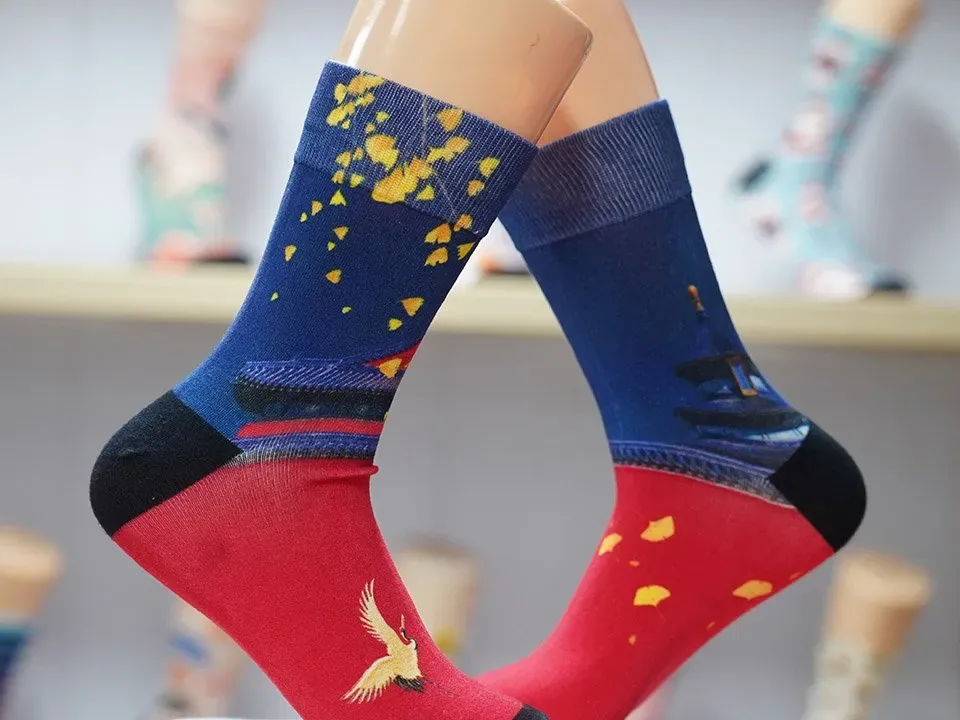
Ask several suppliers for a quote on “custom socks,” and the numbers can be very different. That doesn’t always mean someone is overcharging. Usually, the quotes are based on different assumptions about fiber, method, quantity, packaging or delivery.
This guide explains the nine factors that shape custom socks price per pair, so you can compare quotes fairly and decide where to spend and where to save. We don’t list prices here, because a real price depends on your exact specification. Ask suppliers to quote the same spec in writing.
1. Production Method
The biggest structural difference:
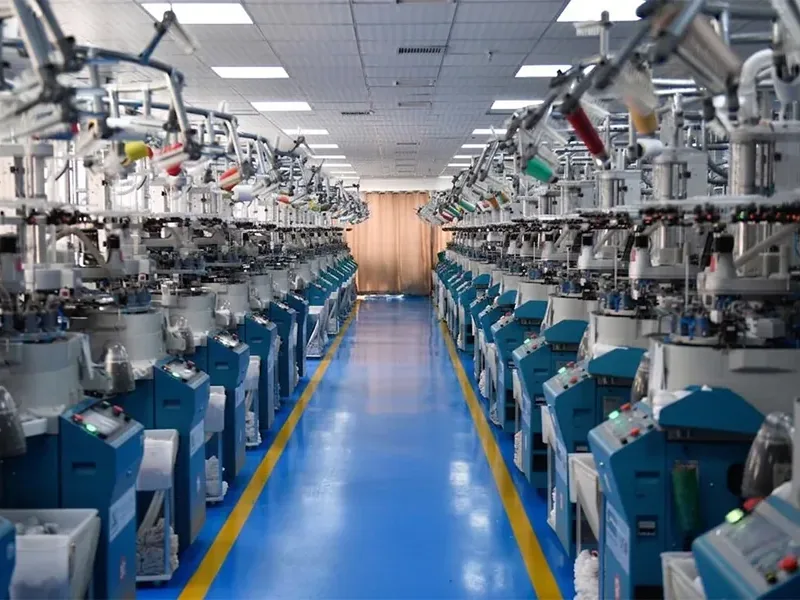
- Knitted (jacquard): setup per design, efficient for large repeat runs of simple designs
- Heat-press sublimation: transfer paper and pressing, mainly on polyester
- 360° digital printing: no screens or knitting programs, so designs change by file. Natural fibers add pretreatment and finishing steps
A method that’s efficient for one order profile can be inefficient for another.
2. Fiber and Blank Quality
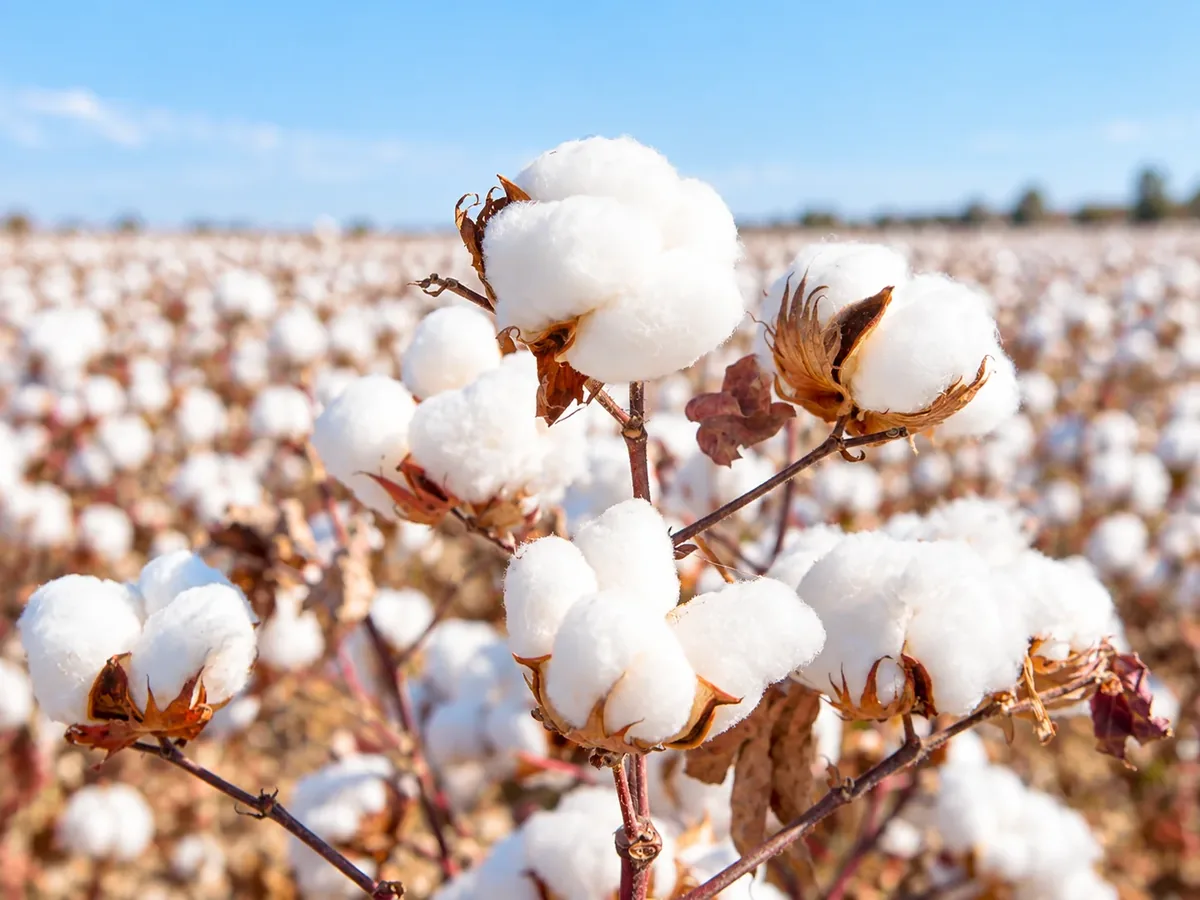
Polyester, cotton, nylon, wool and bamboo blanks differ in cost and process. Polyester printed with disperse ink usually has a shorter workflow. Cotton printed with reactive ink typically adds pretreatment, steaming and washing. Knit density, yarn quality and features such as cushioning also affect cost.
3. Sock Style and Length
Ankle, crew and knee-high socks use different amounts of yarn and print area. Taller socks mean more blank material and more artwork coverage.
4. Design Coverage and Complexity
Full-coverage 360° artwork uses more ink than a small logo. With digital printing, color count doesn’t add setup cost the way it can with other methods, but coverage still affects ink use.
5. Quantity
Larger quantities spread fixed costs, such as artwork preparation, sampling and setup, across more pairs. Ask suppliers how their price changes across the quantities you’re considering.
6. Number of Designs and Sizes
Ten designs of 50 pairs is a different job from one design of 500 pairs. Digital printing handles mixed designs well, but each design still needs artwork checks and file handling. More sizes also mean more blank SKUs to manage.
7. Personalization
Individual names, numbers or photos per pair add design and handling work, even when printing cost is similar.
8. Packaging and Labeling
Plain bulk packing costs least. Header cards, individual bags, gift boxes, barcodes and retail-ready packing all add material and labor. Confirm exactly what’s included in each quote.
9. Shipping, Duties and Delivery Terms
A low unit price can hide high landed cost. Check:
- Whether the quote includes shipping, and to where
- Air versus sea freight
- Import duties and taxes for your country
- Who handles customs clearance
Compare quotes on landed cost per pair, not factory price alone.
How to Compare Quotes Fairly
Send every supplier the same brief:
| Item | Example of what to specify |
|---|---|
| Style | Crew, adult size range |
| Fiber | Polyester-rich blank or cotton-rich blank |
| Method | 360° digital printing |
| Artwork | Full-coverage design, vector logo supplied |
| Quantity | Each quantity you want priced |
| Designs / sizes | Number of designs and size split |
| Packaging | Bulk packed, or header card per pair |
| Delivery | Destination and required arrival date |
Then ask each supplier to state sample cost, sample time, production time and what’s excluded.
Where to Save, and Where Not To
Reasonable places to save:
– Choose a polyester blank if your customers don’t need cotton
– Simplify packaging for internal or giveaway use
– Consolidate designs or sizes where possible
– Plan early to avoid rush shipping
Places not to cut:
– Skipping a physical sample
– Choosing a supplier who can’t explain finishing
– Ignoring landed cost
Making Socks In-House Instead
If your volume is steady, producing in-house can change your cost structure: equipment becomes a fixed cost, while blanks, ink and labor are per pair. Throughput matters. Per our official sock printer specifications, reference output is 20–30 pairs/hour for the CO80-600DK, 40–65 pairs/hour for the CO60-100PRO, and 50–120 pairs/hour for the CO80-210PRO. Reference output varies with print mode, artwork, material, workflow and configuration. Use your own costs and real quotes to model it. If you sell online, our guide to pricing print on demand socks covers the selling side. Brands weighing that step can read what changes when a brand owns its sock production.
FAQ
Why are some custom socks quotes much cheaper?
They may assume a different fiber, method, quantity, packaging or delivery terms. Compare identical specifications.
Does adding more colors raise the price?
With digital printing, more colors don’t add setup the way they can with some methods, though full coverage uses more ink.
Do samples cost extra?
Policies vary. Ask each supplier about sample cost and whether it’s credited against bulk orders.
Is the cheapest quote the best value?
Not always. Consider sample quality, reliability, communication and landed cost.
Get a Quote That Means Something
The most useful quote is one built on a clear specification. Prepare your brief, request samples, and compare landed cost. Explore our custom printed socks to start.
Leave A Comment