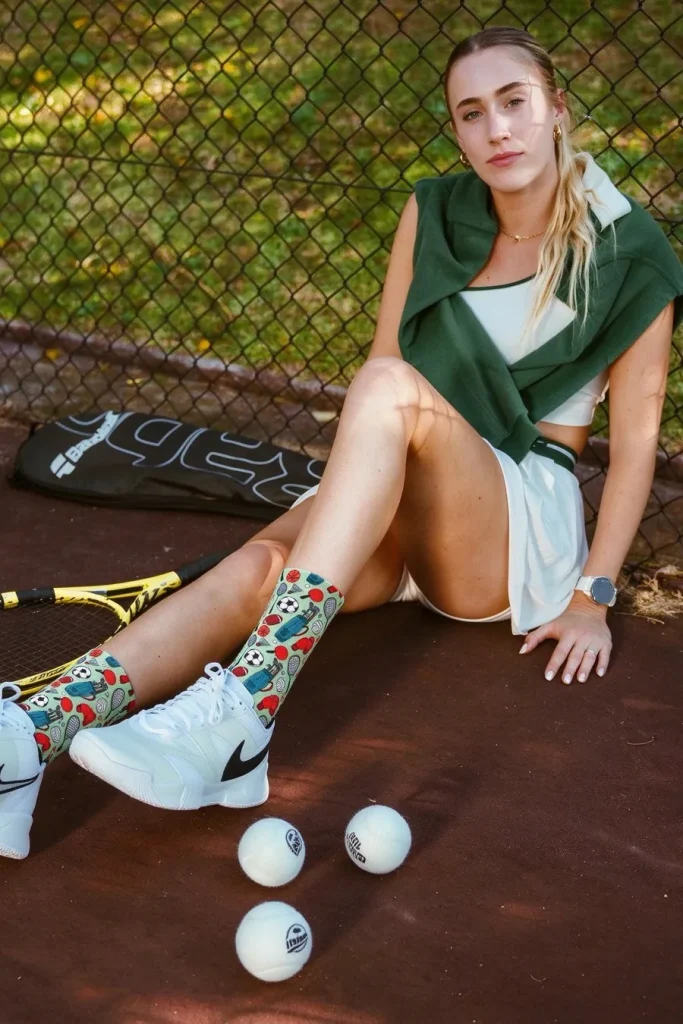
Pricing is one of the hardest parts of selling print on demand socks. Price too high, and shoppers scroll past. Price too low, and you’re working hard for very little. Many sellers copy competitors’ prices and hope for the best.
There’s a better way. This guide gives you a framework for setting prices based on your real costs and the value your socks offer, whether you outsource production or print in-house.
Step 1: Know Your True Cost Per Pair
Start by listing every cost that goes into one sold pair.
If you outsource
- Supplier’s product and print price
- Shipping and fulfillment fees
- Packaging upgrades or inserts
- Marketplace or payment fees
- Advertising cost per sale
If you print in-house
- Sock blank
- Ink and consumables
- Pretreatment and finishing supplies (for natural fibers)
- Labor for design, printing, finishing, and packing
- Packaging
- Equipment and space costs, spread over expected volume
- Marketplace, payment, and advertising costs
Write down the total. This is your floor: never price below it.
Step 2: Decide What You’re Selling
Socks aren’t all the same product. Your pricing should reflect what the customer is really buying:
- Generic designs: competitive market, lower price tolerance
- Niche designs (professions, hobbies, fandoms): more targeted, more price room
- Personalized socks (pets, faces, names): high perceived value, unique to each buyer
- Gift sets: packaging and presentation add value
- B2B orders (teams, corporate, events): volume pricing and service matter
Personalized products usually support higher prices because the buyer can’t find the same item anywhere else.
Step 3: Use Value-Based Pricing
Ask what the socks mean to the buyer:
- Is it a gift? Presentation and uniqueness matter.
- Is it for a memorable event? Timing and reliability matter.
- Is it a pet memorial? Emotional value matters.
Price for the value, not just the cost. A personalized pet sock and a plain patterned sock may cost similar amounts to produce, but they’re very different products to the buyer.
Step 4: Build Bundles and Upsells
Bundles raise average order value:
- Family sets of matching socks
- Socks plus a matching wrist sweatband
- Runner’s kit with socks and cooling arm sleeves
- Gift box upgrade with premium packaging
Offer a small discount on bundles compared with buying the items separately. Customers feel they’re getting a deal, and you increase the total order.
Step 5: Create B2B Volume Tiers
Teams, schools, companies, and events often order in quantity. Simple tiers make quoting easy:
- Small orders: standard per-pair price
- Medium orders: modest discount
- Large orders: larger discount, possibly with a design fee
Charge for extras like design work, rush production, and individual names or numbers.
Step 6: Watch Competitors, But Don’t Copy Them
Look at competitors to understand the market, not to set your price. Differences that justify a higher price include:
- Better materials, such as soft cotton or premium blends
- Seamless 360° designs
- Faster or more reliable delivery
- Better packaging and service
- Unique, niche, or personalized designs
How In-House Printing Affects Pricing
If you print in-house with a 360° sock printer, your cost structure changes. Equipment is a fixed cost, while blanks, ink, and labor are per-pair costs. As volume grows, the fixed cost per pair drops.
Equipment choice matters too. A compact CO80-600DK suits studios and personalized orders. Multi-roller machines like the CO60-100PRO and CO80-210PRO are built to keep production moving as volume grows. In-house production also lets you offer materials and accessories that set your store apart, which supports better pricing.
Common Pricing Mistakes
- Forgetting fees. Marketplace, payment, and ad costs add up.
- Underpricing personalization. Custom work takes time. Charge for it.
- Discounting too often. Constant sales train customers to wait.
- One price for everything. Different products deserve different prices.
- Ignoring shipping. Decide whether shipping is included or separate, and price accordingly.
Test and Adjust
Pricing isn’t set-and-forget. Track:
- Conversion rate at different price points
- Average order value
- Profit per order, after all costs
- Customer reviews mentioning value
Adjust in small steps, and test one change at a time.
FAQ
Should personalized socks cost more?
Generally, yes. They take more work and offer unique value to the buyer.
How do I price team orders?
Use volume tiers, and charge separately for design work and per-player names or numbers.
Is free shipping worth it?
It can improve conversion, but build the cost into your price so margins stay healthy.
Does printing in-house always mean higher profit?
Not always. It depends on volume, efficiency, and costs. Calculate carefully before investing.
Price With Confidence
Good pricing starts with knowing your costs and understanding your value. Personalized designs, quality materials, and seamless 360° prints all give you room to charge what your work is worth. Explore product ideas on our custom printed socks page.
Leave A Comment