Steam Fixation Process
A steam heating method applies high-temperature steam at +10~105°C to fully develop and fix cotton reactive ink, improving print fastness and color vividness.
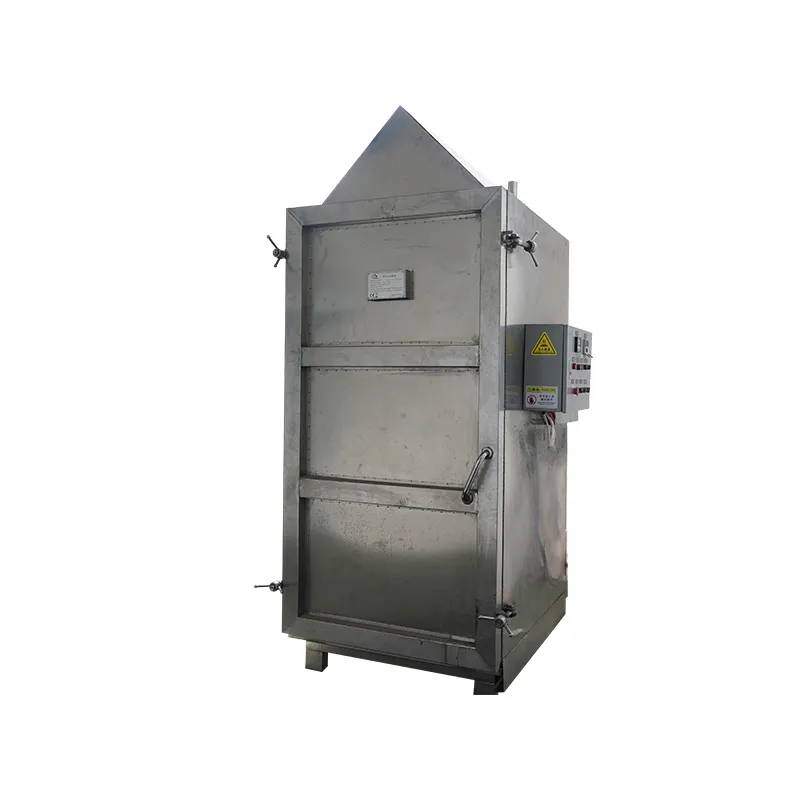
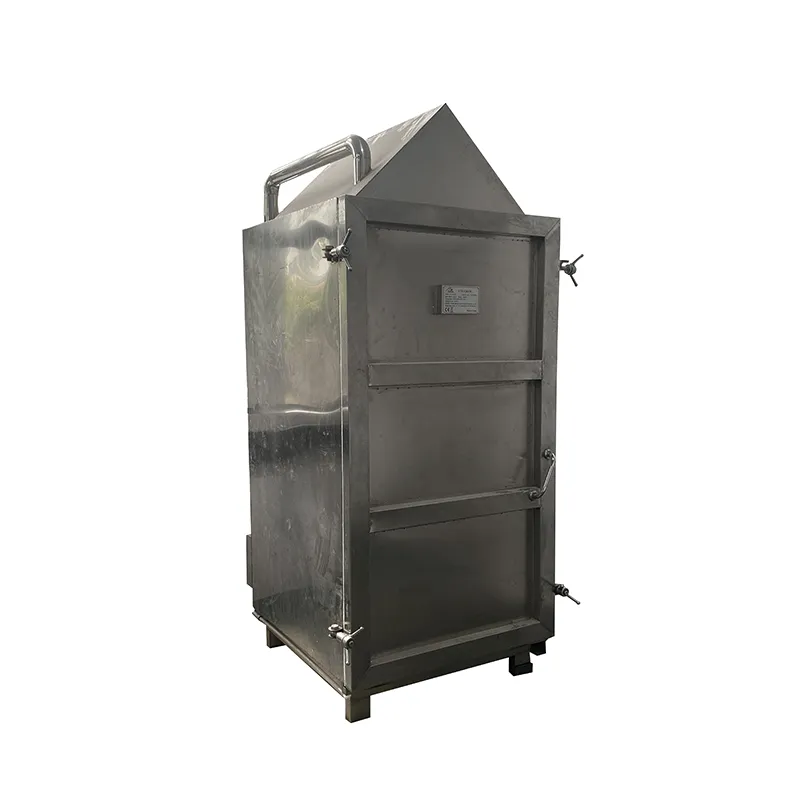
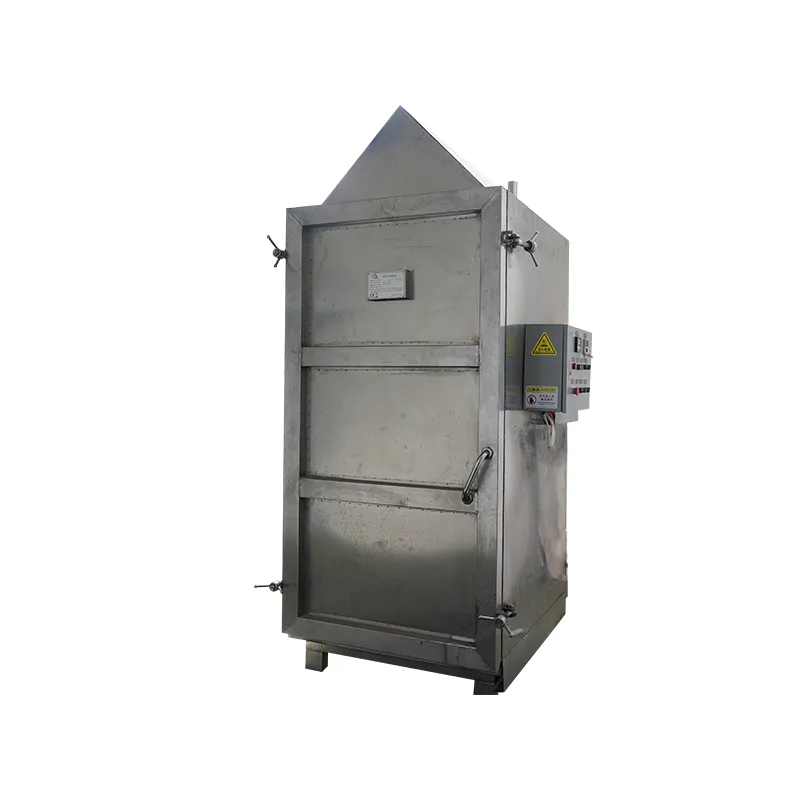
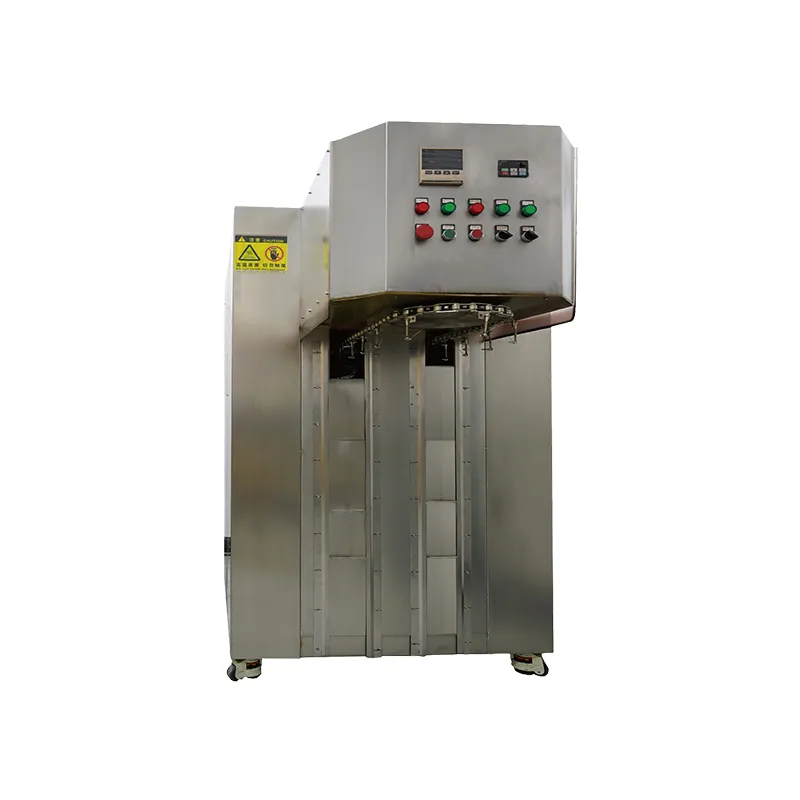
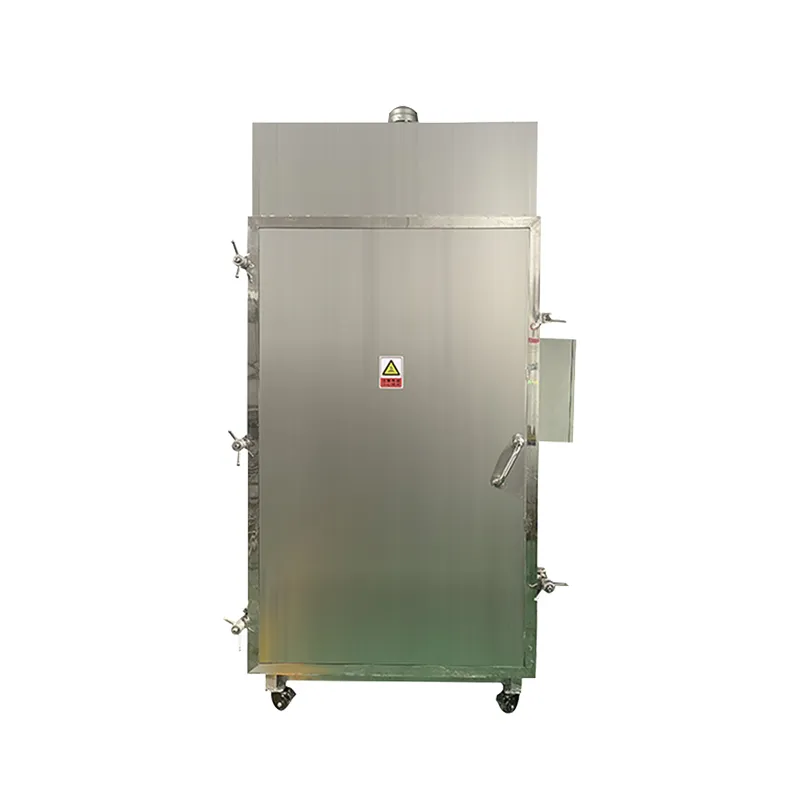
The COST-1802 Cotton Sock Steamer is an ancillary finishing device in Ningbo Colorido's digital printing solutions, designed specifically for the steam fixation of pure cotton socks after digital printing. Unlike the hot-air drying of a cotton socks oven, it runs on high-temperature steam at +10~105°C to fully develop and fix cotton reactive ink — with 30KW heating, all-304-stainless-steel construction, 6 U-shape heating tubes and ±1°C temperature accuracy.
A +10~105°C steam range fully develops and fixes cotton reactive ink, improving print fastness and color vividness.
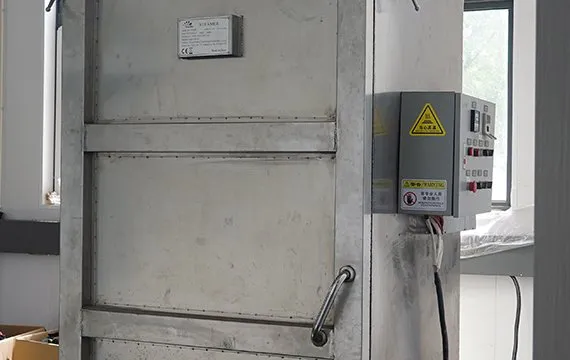
The entire machine is made of 304 stainless steel plate — corrosion-resistant, easy to clean and built for long-term hot and humid operation.
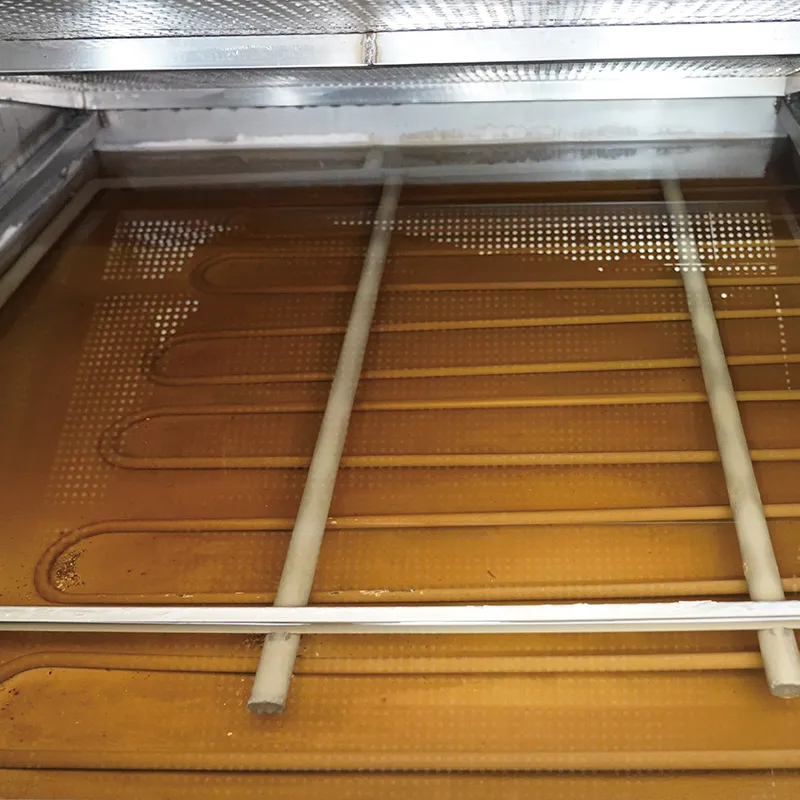
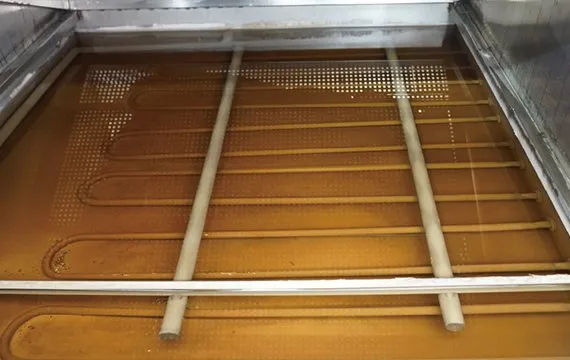
Six U-shape heating tubes deliver even, fast heat-up across the whole steamer for stable, uniform steam fixation.
Temperature-control accuracy of ±1°C and uniformity of ±3°C keep the steam temperature stable for consistent cotton fixation.
The COST-1802 Cotton Sock Steamer is a finishing device made entirely of 304 stainless steel plate, designed specifically for the steam fixation of pure cotton socks after digital printing. Unlike the hot-air drying of a cotton socks oven, it uses a steam heating method, applying high-temperature steam at +10~105°C to fully develop and fix the reactive ink on cotton socks while improving print fastness and color vividness. With 30KW heating power, ±1°C control accuracy and ±3°C uniformity, it keeps a stable, uniform steam temperature for vivid and durable cotton prints.
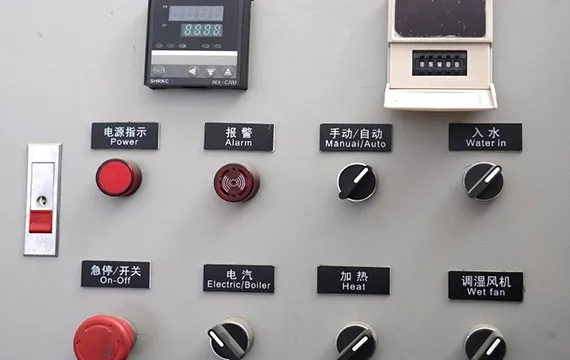
As a downstream ancillary device on the Ningbo Colorido cotton sock-printer production line, the COST-1802 pairs with Ningbo Colorido cotton sock printers. After printing, the cotton socks are placed on a sock rack (each rack holds 45 pairs) and pushed into the steamer for steam fixation — completing the cotton sock printing workflow. The electrical control box sits on the right side for convenient operation, and the unit supports both electric and steam heating, with an independent circuit layout and independent keyboard control.
Factory reference parameters for the cotton sock steamer. Final values are subject to the ordered configuration and manufacturer confirmation.
| Equipment Name | Industrial Steamer | Commercial Model | COST-1802 |
|---|---|---|---|
| Power | 30KW | Voltage | 380V/240V, 50~60Hz |
| Operating Temperature Range | +10~105°C | Temperature Control Accuracy | ±1°C |
| Temperature Uniformity | ±3°C | Materials | 304 stainless steel plate |
| Heating Elements | U style / 6pcs | Heating Method | Electric / Steam (optional) |
| Electrical Control Box | Right side of machine | Control Method | Independent Controller |
| Gear Motor | Top China brand | Rack Capacity | 45 pairs per rack |
| Size | 1300×1300×2800 mm (or customized) | ||
Six core capabilities that deliver stable, uniform steam fixation for pure cotton sock digital printing production lines.
A steam heating method applies high-temperature steam at +10~105°C to fully develop and fix cotton reactive ink, improving print fastness and color vividness.
The entire machine is made of 304 stainless steel plate — corrosion-resistant and easy to clean for long-term hot and humid operation.
Six U-shape heating tubes deliver even, fast heat-up across the whole steamer, ensuring a stable and uniform steam temperature.
Temperature-control accuracy of ±1°C and uniformity of ±3°C ensure a stable, uniform steam temperature so cotton socks fix consistently across batches.
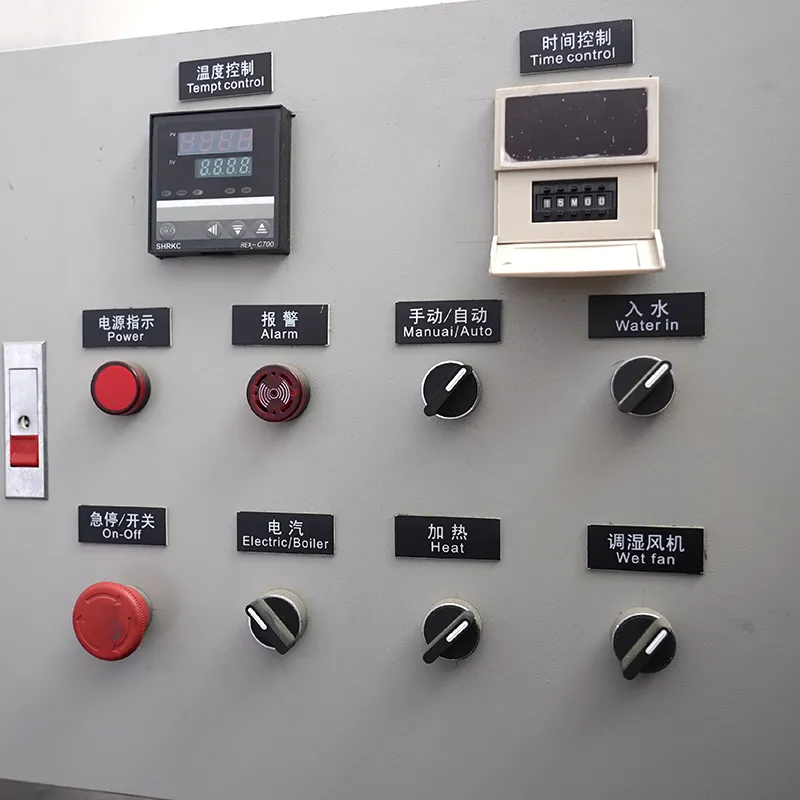
An independent circuit layout avoids short circuits for safer, more stable operation; an independent keyboard controller lets operators tune temperature and time to each run.
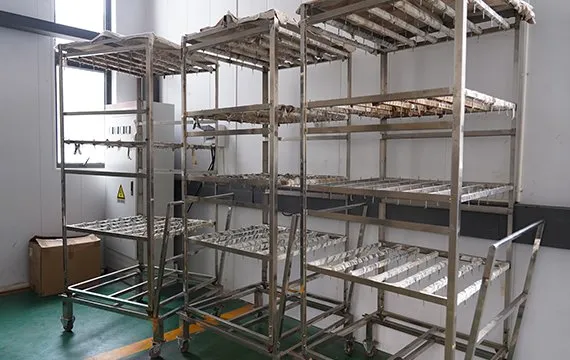
Each rack holds 45 pairs and up to 3 racks can be configured for about 1080 pairs in 8 hours; both the steamer and rack dimensions can be customized to your line.
Built from 304 stainless steel with six U-shape heating tubes, an independent circuit layout and an independent keyboard controller, the COST-1802 is engineered for hygienic, uniform cotton sock steam fixation.
The bottom of the COST-1802 is fitted with six U-shape heating tubes that heat the entire steamer evenly and quickly, keeping the steam temperature stable throughout the cavity. This avoids the local temperature differences that cause uneven fixation, so every rack of cotton socks develops and fixes the reactive ink consistently.
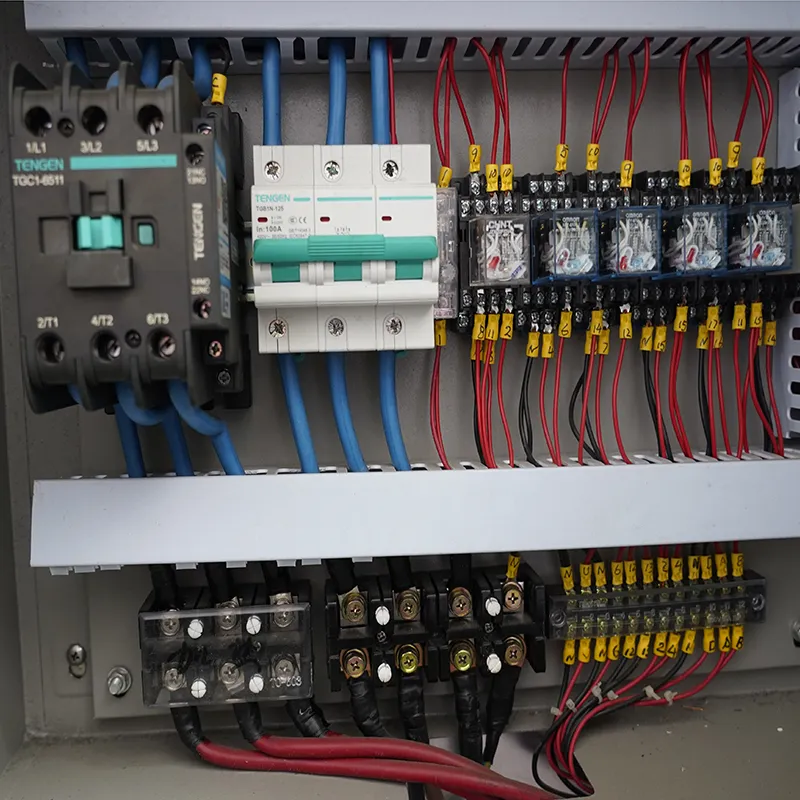
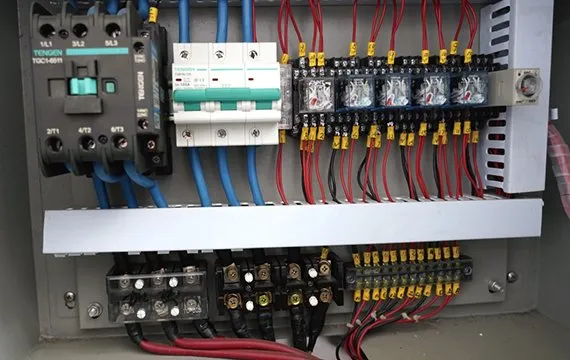
The steamer adopts an independent circuit layout that prevents short circuits during operation, keeping the working environment safe and stable and effectively extending service life. Clean, segregated wiring also makes servicing and troubleshooting straightforward for maintenance teams.
An independent keyboard controller makes operation simple and convenient. Operators adjust temperature and time to the actual production status, and can switch between electric heating and steam heating as needed — flexibly adapting the steamer to different fabric and ink fixation processes while holding accuracy to ±1°C and uniformity to ±3°C.
The entire steamer is built from 304 stainless steel plate — corrosion-resistant and effortless to clean, so it maintains stable performance and a long service life even under continuous hot and humid operating conditions. This hygienic build is ideal for repeated cotton sock fixation batches.
Each sock rack holds 45 pairs of socks, greatly improving steaming and drying efficiency. Up to three racks can be configured for a capacity of about 1080 pairs in 8 hours (roughly six minutes per cycle on average). Both the steamer and the rack dimensions can be customized to the customer’s detailed production requirements.
The steamer’s steam heating system in operation and the cotton sock steam fixation process.

Production Director · Heartland Custom Socks, USA
We run the steamer inline with our CO80-210PRO and printed cotton socks move straight from the printer onto the rack and into steam fixation without a single manual hand-off. The 45-pair racks let us push far more volume per shift than our old batch setup, and the steam develops the reactive ink so evenly that wash fastness finally meets our retail spec.

Plant Manager · Bayerwald Textilwerk, Germany
Running three shifts demands a machine that holds temperature under constant steam. The full stainless structure and independent circuit layout keep the cavity stable shift after shift, and after a year of continuous use the chamber shows zero corrosion — exactly the build quality our audit checklist required.
Operations Head · Mysore Sock Mills, India
The strong heating power and six U-shape tubes bring the steamer to working temperature far faster than our old unit, so we lose almost no time between cycles. Paired with our CO80-600DK, cotton socks come off the printer and load straight onto the rack — the whole workflow is now one smooth, labour-saving line.

Factory Owner · Calcetines del Bajío, Mexico
Our retail customers kept rejecting cotton orders for poor colourfastness. Since fixing the ink with the steamer’s high-temperature steam, every wash test passes first time and the colours stay vivid run after run. The large racks let us take on bulk orders we simply could not fulfil before.
QA Engineer · Ipek Corap, Turkey
The independent keyboard controller lets our operators set and verify steam parameters precisely for each fabric and ink, and the ±1°C accuracy keeps the heat so uniform that batch-to-batch colour variation has all but disappeared. For a QA team that lives and dies by consistency, this steamer is exactly the control we needed.
Common questions about cotton sock steam fixation, capacity, heating method and pricing — then send your requirements for a configuration recommendation.
The conventional size of the steamer is 1300×1300×2800mm; customization is also accepted for special needs. Each rack holds 45 pairs of socks and up to 3 racks can be configured, giving a capacity of about 1080 pairs in 8 hours — evaluate against your production scale as needed.
The steamer supports both electric heating and steam heating, which are energy-saving and environmentally friendly; the heating method can be selected according to actual needs.
Different materials of socks require different processing times. Normally it takes about 20 minutes to complete one steaming session; the actual time should be confirmed by sample testing based on sock material and ink process.
The equipment is equipped with an independent keyboard controller; temperature and time can be adjusted to actual production status, making operation simple and convenient. Electric heating and steam heating can be switched as needed to flexibly adapt to different fixation processes.
Ningbo Colorido has a professional after-sales team and technical team, providing 24-hour online service to promptly assist with any issues during equipment use.
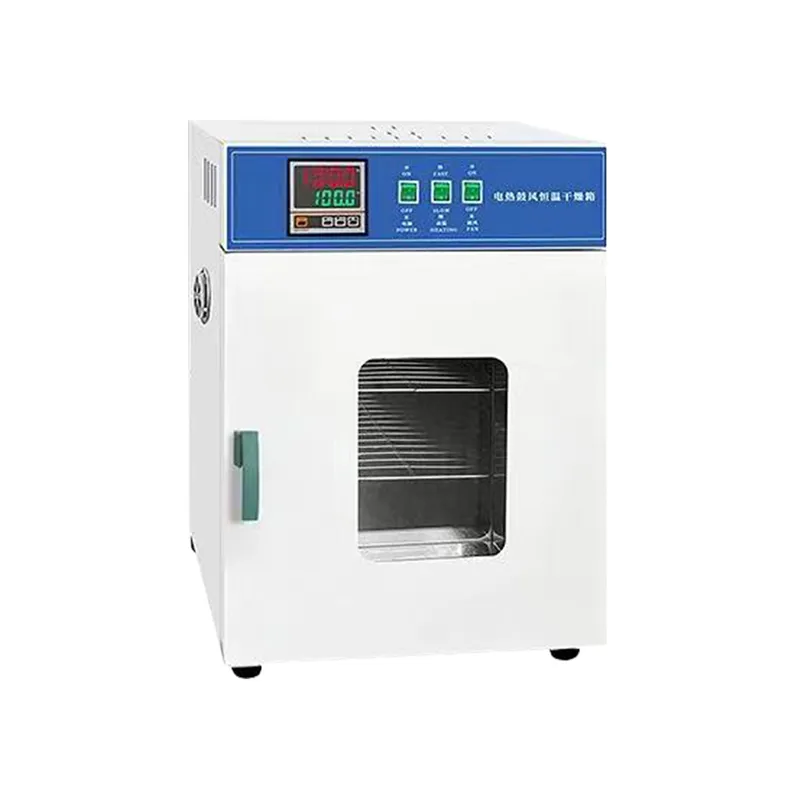
The COST-1802 is a steam fixation device using steam heating (operating temperature +10~105°C), applying high-temperature steam to develop and fix reactive ink. The COHE-1803 is a cotton socks oven using hot-air drying (operating temperature +10~85°C). Both are cotton sock finishing devices; select by fixation process (steam vs. hot air).
It is suitable for socks in materials such as cotton, nylon, bamboo and wool, as well as tubular digital-printing products like sleeve covers. For different materials, the fixation temperature and time should be confirmed by sample testing.
Yes. Both the steamer and rack dimensions can be customized to the customer’s detailed requirements to adapt to different capacities and production-line layouts.
Ningbo Colorido must confirm the applicable product range (cotton/nylon/bamboo/wool socks and tubular products), fabric and ink process (reactive ink), fixation-parameter requirements, dimension customization needs, heating method (electric/steam), electrical configuration (380V/240V), installation site, ventilation/moisture discharge, packing, destination, training, service and sample criteria. Price, lead time, warranty and installation conditions are subject to the current written proposal.
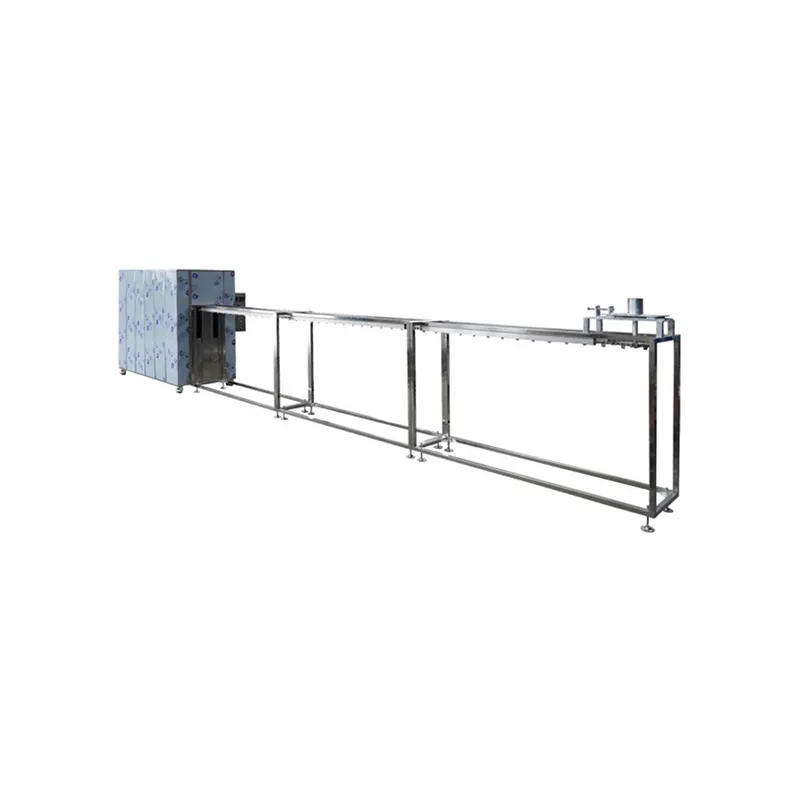
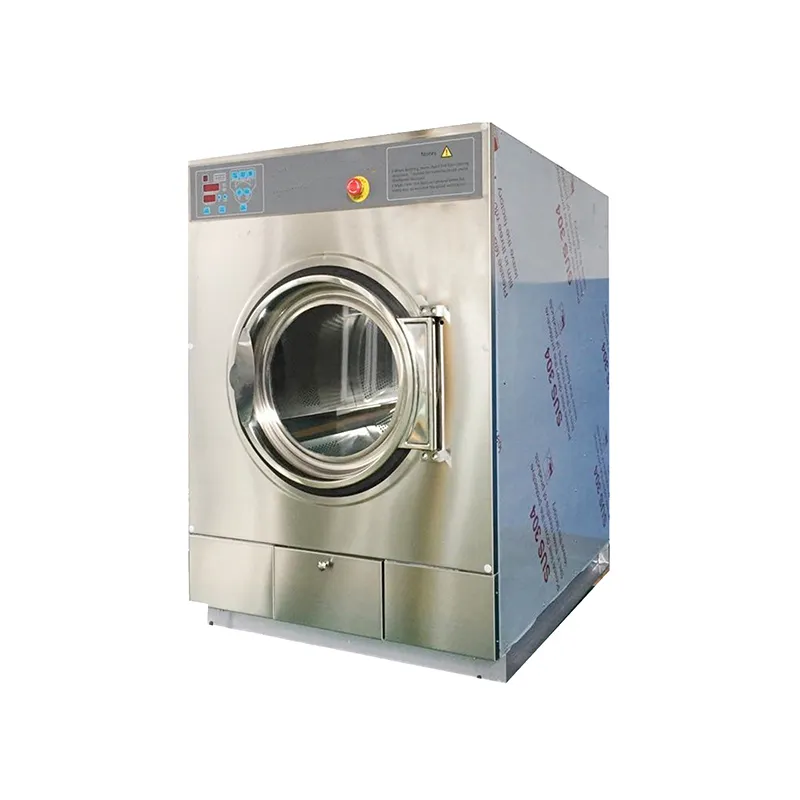
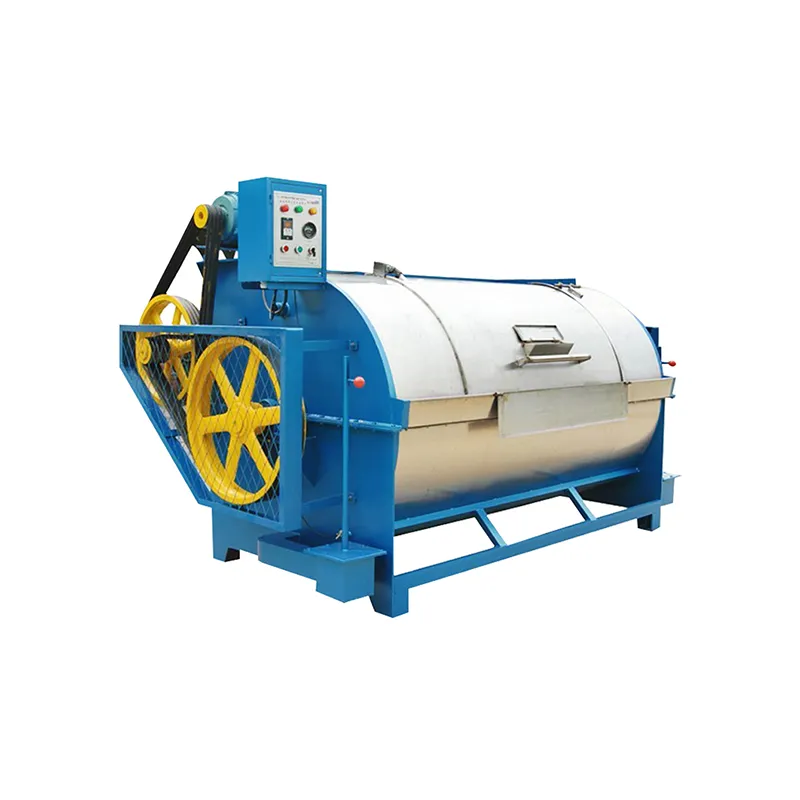
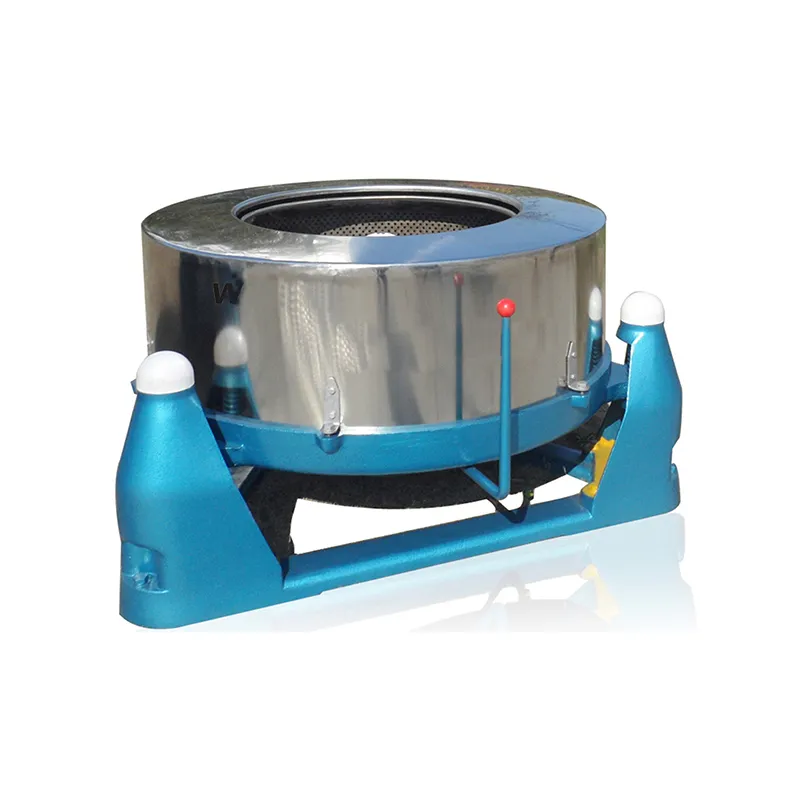
Other Ningbo Colorido pretreatment and finishing machines that round out the lineup alongside the COST-1802 cotton sock steamer — alternative models for washing, drying, heat fixation and steaming.