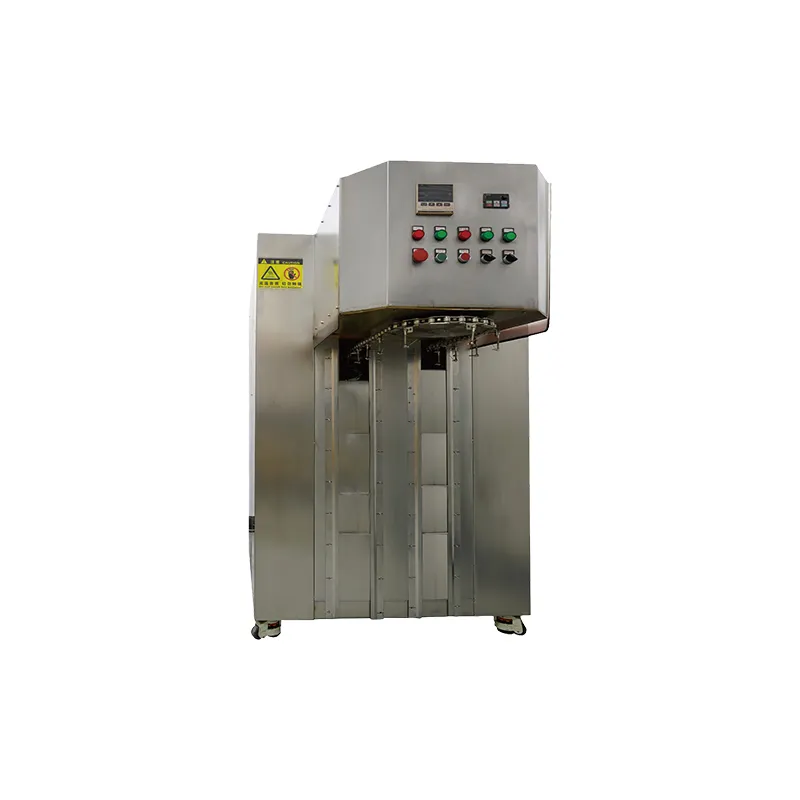
When a sock comes off a 360° printer, the design looks finished, but the job isn’t done. Post-print finishing is what turns a freshly printed sock into a durable, comfortable product that keeps its color wash after wash.
The finishing steps depend on the ink type and fiber. This guide explains the main approaches and how to get consistent results.
Why Finishing Matters
Finishing:
- Fixes the ink so it bonds with the fiber
- Removes excess ink and pretreatment, which can affect feel and colorfastness
- Restores softness and comfort
- Improves durability for washing and wear
Skipping or rushing finishing is a common cause of fading, bleeding, and stiff socks.
Finishing by Ink Type
Disperse inks (polyester)
For polyester-rich socks printed with disperse inks, the main step is heat setting. The printed socks are heated, typically in an oven or similar equipment, so the dye bonds with the polyester fibers. This workflow is usually shorter than for natural fibers.
Reactive inks (cotton, bamboo)
Reactive ink printing usually involves:
- Drying after printing
- Fixing, often with steam, so the dye reacts with the fiber
- Washing to remove unfixed ink and pretreatment
- Drying the finished socks
Some suppliers offer simplified processes that replace certain steps. Follow the method recommended for your inks and chemicals.
Acid inks (nylon, wool)
Acid ink printing follows a similar pattern: drying, fixing (commonly steaming), washing, and drying. Exact conditions depend on the fiber and ink.
Always follow your ink and equipment supplier’s finishing guidance. Times, temperatures, and chemicals vary.
Step-by-Step Best Practices
Heat setting
- Keep heat even across all socks in a batch.
- Avoid overcrowding, so heat reaches every part of each sock.
- Don’t exceed recommended temperatures, which could damage fibers or elastic.
Steaming
- Give steam enough contact with every sock.
- Keep socks from touching each other while damp to prevent color transfer.
- Follow recommended timing consistently.
Washing
- Wash promptly after fixing, as your process requires.
- Use the recommended water temperature and any specified detergents.
- Wash similar colors together at first to reduce the risk of staining.
- Rinse thoroughly to remove residue.
Drying
- Dry completely before packing to prevent odors or marks.
- Avoid extreme heat that may affect elastic.
Troubleshooting Common Finishing Issues
Colors fade after the first wash
Usually incomplete fixing. Check heat or steam conditions and timing.
Color bleeds onto white areas
Often caused by damp socks touching, insufficient washing, or incomplete fixing.
Socks feel stiff
Residual pretreatment or ink that wasn’t fully washed out. Improve washing and rinsing.
Uneven color across a batch
Uneven heat or steam distribution. Check loading density and equipment.
Planning Your Finishing Area
Finishing often takes more space and time than printing. When you plan a production floor:
- Match finishing capacity to printing capacity. Multi-roller machines like the four-roller CO80-210PRO are designed for continuous output, so finishing must keep up.
- Separate wet and dry areas.
- Provide good ventilation.
- Plan drying racks or equipment for peak volumes.
Smaller studios with a compact CO80-600DK can run a scaled-down finishing area, especially if they focus on polyester with heat setting only.
Finishing for Other Tubular Products
Wrist sweatbands, cooling arm sleeves, headwear, boxer briefs, and seamless yoga wear follow the same finishing logic based on fiber and ink. Thicker or larger items may need longer drying or more careful handling. Test each new product.
Quality Checks After Finishing
Before packing, check:
- Color matches the approved sample
- No bleeding, marks, or white spots
- Soft, comfortable feel
- Elastic recovers properly
- Correct size and labeling
Give Customers Care Instructions
Good finishing makes prints durable, and good care keeps them that way. Include simple instructions with every order, such as:
- Wash inside out
- Use cool or warm water
- Avoid bleach
- Avoid high-heat drying
FAQ
Do polyester socks need washing after printing?
Polyester printed with disperse inks usually only needs heat setting, but follow your supplier’s process.
Why do cotton socks need steaming?
Reactive inks typically need the right conditions to bond with cotton, and steaming is a common way to provide them.
Can I skip washing to save time?
Skipping washing can leave residue that affects feel and colorfastness. It’s an important step for reactive and acid inks.
How do I prevent color transfer during finishing?
Keep damp printed socks separated and make sure fixing is complete before washing.
Finish Strong
Finishing is where quality is locked in. A consistent, well-planned process delivers custom socks that look great and last. Explore finished results on our custom printed socks page.
Leave A Comment