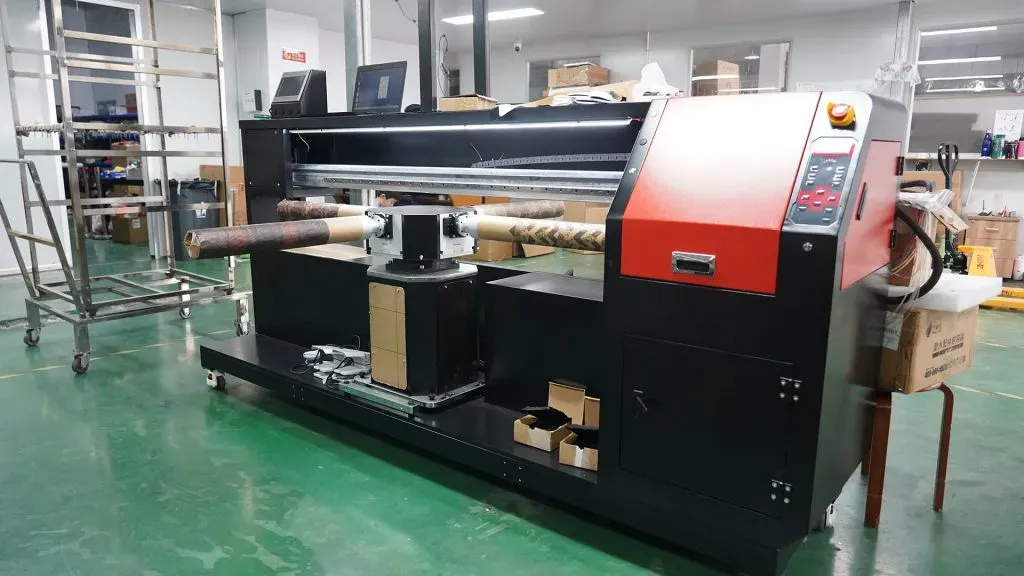
For a small business, buying a first custom socks printer is a big step. The equipment opens new revenue, but it also brings new responsibilities: production, maintenance and quality control. This guide focuses on the first 90 days so you get off to a solid start.
Before you buy
- Define your first products and target customers.
- Choose a primary fiber, usually polyester to start.
- Estimate realistic weekly orders.
- Measure your space and check power.
A compact machine, such as a desktop model or single-roller printer, often suits small businesses. See choosing the right socks printer.
Days 1–30: Set up and learn
- Install the printer and oven; complete supplier training.
- Create templates for your sock sizes.
- Build or install color profiles for your blanks.
- Print test designs; wash test them.
- Establish a daily maintenance routine.
Days 31–60: Soft launch
- Launch a focused collection to friends, local customers or a small online audience.
- Photograph real printed socks for listings.
- Refine pricing with real cost data.
- Track reprints and their causes.
Days 61–90: Grow
- Add designs based on what sells.
- Approach local businesses, clubs and schools for B2B orders.
- Streamline order handling.
- Review capacity and plan next steps.
Keep costs under control
- Buy blanks in sensible quantities.
- Avoid unnecessary design complexity that increases ink use.
- Reduce reprints through training and maintenance.
Marketing on a small budget
- Show behind-the-scenes videos of printing.
- Offer personalization.
- Partner with local shops and events.
Common pitfalls
- Buying too large a machine.
- Skipping maintenance.
- Launching too many designs.
- Underpricing.
See also starting a custom sock business with a socks printer.
A simple weekly rhythm
Small teams do best with a predictable weekly rhythm rather than reacting to every order the moment it arrives. One pattern that works well:
- Monday: maintenance check, blank stock check and planning the week's production.
- Tuesday to Thursday: batch printing grouped by sock size, with fixation and packing following the same day.
- Friday: catch-up, reprints, photography of new designs and marketing content.
Batching orders by size reduces roller changes and keeps the oven running efficiently. It also gives the founder protected time for design and sales, which are just as important as production in the first year.
Tracking the numbers that matter
From the first week, keep a simple sheet with:
- Pairs printed and pairs shipped.
- Reprints and their reasons.
- Ink and blank usage.
- Hours spent on production versus design and marketing.
After a month, these numbers show your real cost per pair and where time is going. They are also the best evidence when deciding whether to raise prices, invest in a second machine or hire help. Our ROI guide explains how to turn these numbers into a payback estimate.
When to ask for help
Do not wait until a small problem becomes a stoppage. If nozzle checks keep failing, if colors drift or if the oven seems inconsistent, contact your supplier early with photos and notes. Most issues are quick to fix when caught early.
Your first product range
Small businesses do best with a focused start. Choose one fiber, usually polyester, two or three sizes and a small collection of designs aimed at one audience, such as pet owners, local teams or gift buyers. A narrow range keeps blank stock low, makes color settings easier and lets you learn the custom socks printer quickly.
Where to find first customers
- Friends, family and local networks for early feedback.
- Local clubs, schools and businesses for small group orders.
- Online marketplaces and social media for personalized gifts.
- Markets and events where customers can see and touch the socks.
Keeping costs under control
Track every cost from the start: blanks, ink, energy, packaging and your time. Price for profit, not just to cover materials. Avoid buying large stocks of blanks before you know which sizes sell. See pricing print on demand socks.
Getting help
Use the supplier's training, user guide and video center, and keep in touch with support. Many small business problems are common and already have known solutions.
Frequently asked questions
Can one person run everything?
At small volumes, yes; plan time for design, production and marketing.
How soon will I be profitable?
It depends on sales and pricing; track costs and margins from day one.
Should I offer cotton?
Start with polyester; add cotton when processes are stable.
Do I need design experience? It helps, but templates, freelancers and clear customer guidelines can cover it at first.
How much space is needed? Enough for the printer, fixation equipment, a clean packing area and storage; see workspace requirements.
What should I buy first? A printer, matching fixation and a small blank stock are enough to start; add more once orders grow.
Conclusion
A custom socks printer can transform a small business when introduced step by step: learn, soft launch, then grow. Explore our socks printer range or contact us for a small-business recommendation.
Leave A Comment