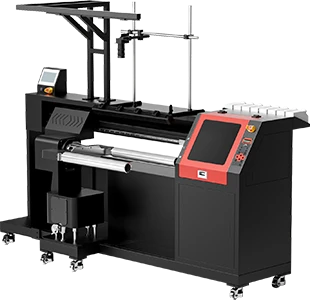
Twin Rollers in Alternating Use
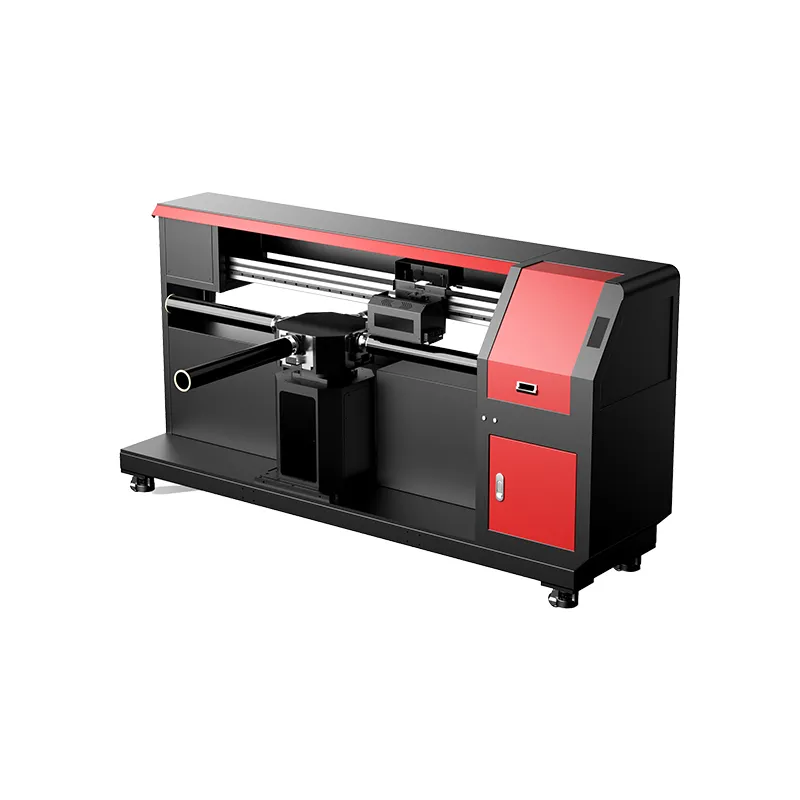
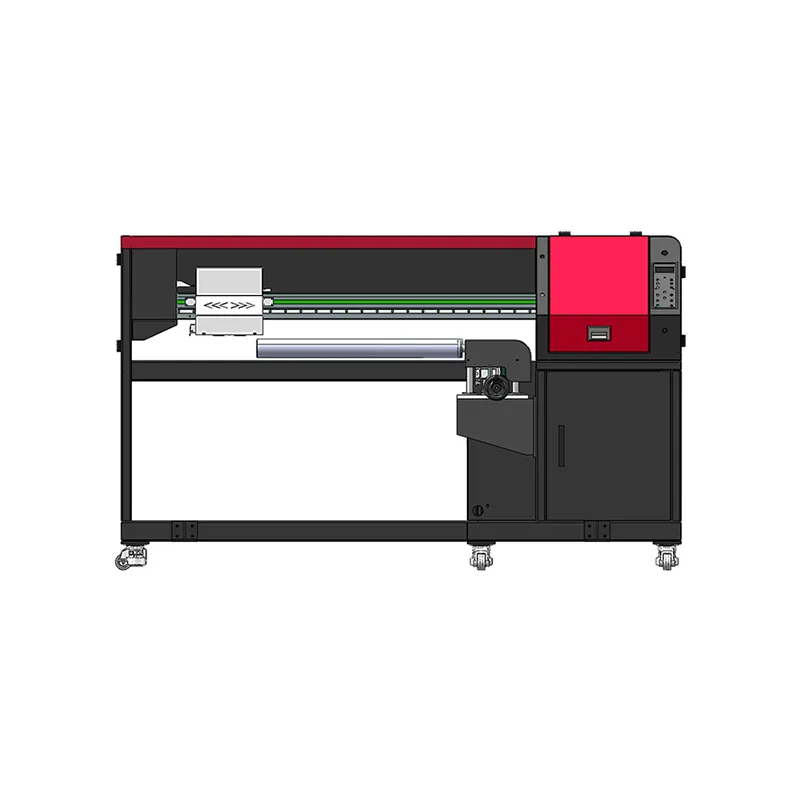
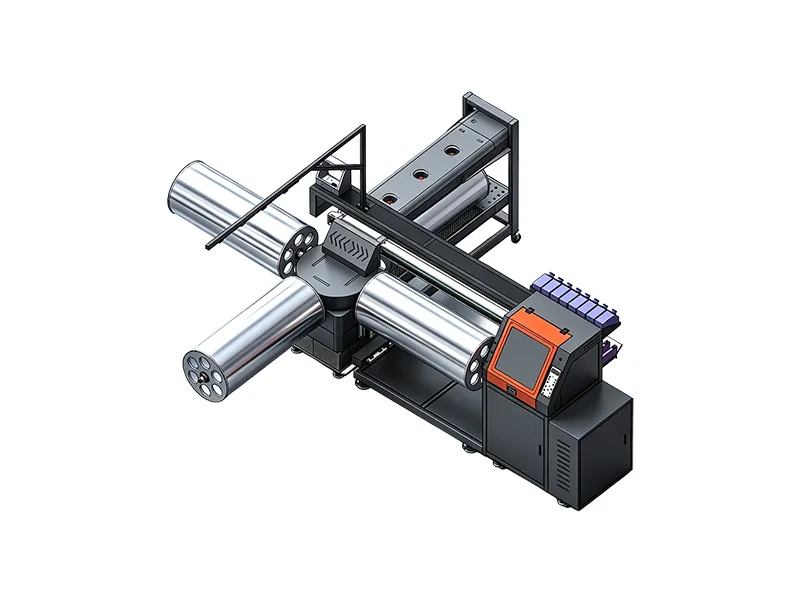
The twin-roller design lets the two stations alternate printing without repeated loading and unloading, shortening changeover time and raising production efficiency.
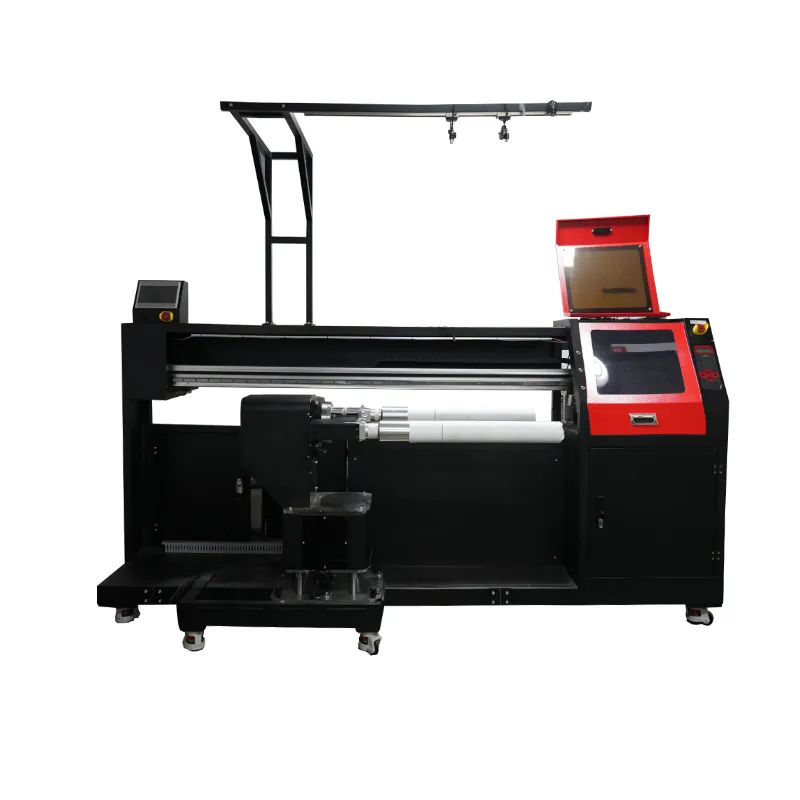
The CO60-100PRO is a twin-station (twin-roller) digital sock printer with spiral printing technology. It supports 2–4 Epson I1600 print heads and up to 8-color printing, delivering high-quality full-color prints on polyester, cotton, wool and nylon socks at 40–65 pairs per hour.
Two rotating stations alternate printing without repeated loading and unloading, keeping production continuous with a lower upfront investment.
Around 50 pairs per hour in typical production — an efficient output for startups, custom-printing workshops and growing factories.
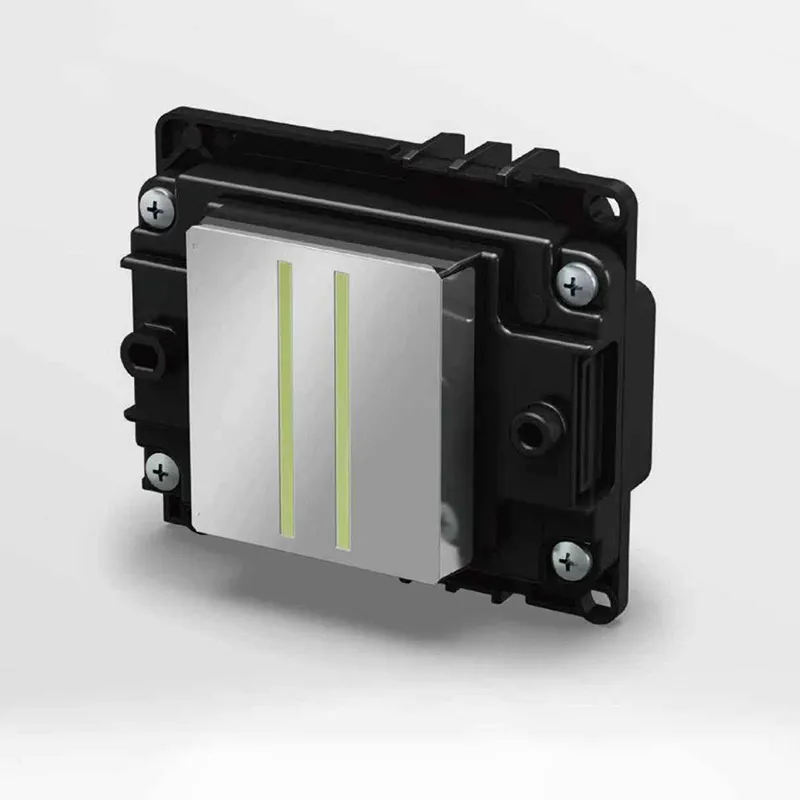
Up to four Epson I1600 print heads with Neostampa RIP reproduce fine lines, gradients and photographic detail consistently.
Choose a 2-head or 4-head configuration — 4-color or 8-color — to match your product range, budget and production needs.
The CO60-100PRO sock printer uses a twin-roller (twin-station) rotation method for spiral printing. The two rollers alternate printing without repeated loading and unloading, which greatly improves efficiency — output reaches approximately 50 pairs per hour in stable production. This sock printer can print polyester, cotton, nylon, wool, bamboo fiber and other materials, and supports disperse, acid and reactive ink solutions.
The twin-roller printer uses the latest version of Neostampa RIP software and accepts 2–4 Epson I1600 print heads, with a maximum of 8 colors. Its 600–1050 mm roller — our longest roller, up to 1.05 meters — is ideal for long socks and tights. In addition to socks, the CO60-100PRO can also print sleeve covers (ice sleeves), wrist bands and other tubular products, meeting more needs of users.
Factory reference parameters for the twin-roller spiral sock printer. Final values are subject to the ordered configuration and manufacturer confirmation.
| Model No. | CO60-100PRO | Print Head | EPSON I1600, 2–4 heads |
|---|---|---|---|
| Print Mode | Spiral printing | Print Resolution | 720×600 DPI |
| Media Length (Max.) | 1000 mm | Production Output | 40–65 pairs/hour |
| Suitable Products | Socks, sleeve covers, wrist bands | Printing Height | 5–10 mm |
| Media Type | Poly / Cotton / Wool / Nylon | RIP Software | Neostampa |
| Ink Type | Disperse, Acid, Reactive | Interface | Ethernet port |
| Voltage | AC 220V, 50~60 Hz | Roller Size | 60–100 mm diameter (customizable) |
| Roller Length | 600–1050 mm | Machine Dimensions | 2705 × 840 × 1530 mm |
| Package Dimensions | 2950 × 1050 × 1630 mm | Operating Conditions | 20–30 °C; Humidity: 40%–65% |
| Ink Color | 4 / 8 colors | Vision System Compatibility | Yes / Optional |
Six capabilities that make the twin-station platform a cost-effective entry into digital sock printing — balancing print quality with a low upfront investment.
The twin-roller design lets the two stations alternate printing without repeated loading and unloading, shortening changeover time and raising production efficiency.
Advanced spiral-printing technology shortens lead times with a reference output of 40–65 pairs per hour — around 50 pairs per hour in typical production.
Excellent accuracy and clarity up to 720×600 DPI reproduce vivid patterns and colors, with up to 8-color gradations while maintaining the durability of the print.
The carriage accepts up to 4 Epson I1600 print heads. Choose a 2-head/4-color or 4-head/8-color configuration based on your production needs and budget.
Small-batch, multi-design orders on polyester, cotton, wool and nylon respond quickly to changing market demand, with less waste and lower energy consumption.
An upgraded vision positioning system is available as an option for precise registration, improving print alignment quality and consistency.
From the 8-color ink supply to the four-head carriage, every system is built for stable day-to-day production at a balanced cost.
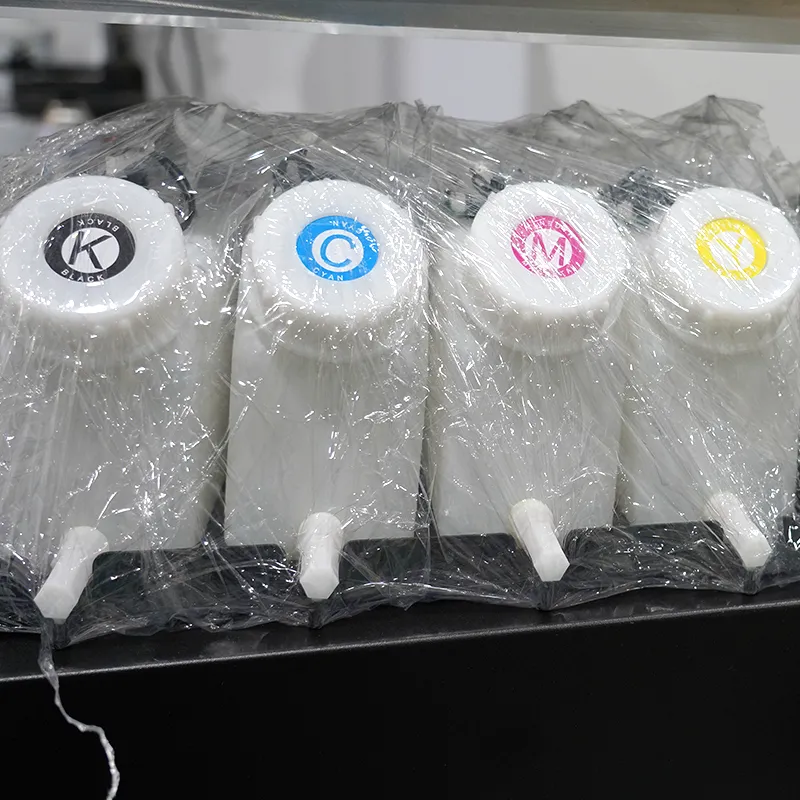
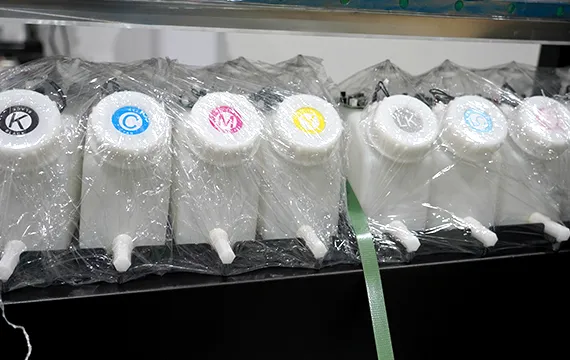
The twin-roller sock printer adopts 8-color printing, delivering superior color accuracy and richer gradations. This is why 8-color printing remains a customer favorite.
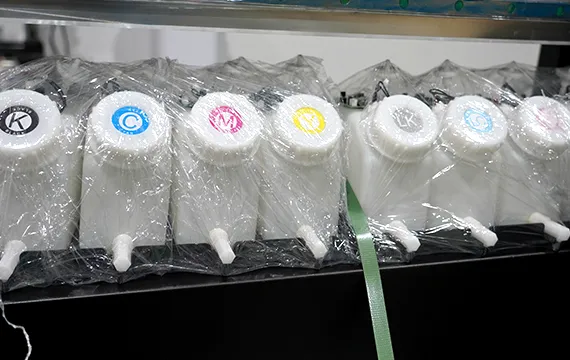
The capping station protects the print head by keeping it moist when not in use. It prevents ink from drying out and clogging the nozzles due to prolonged exposure to air.
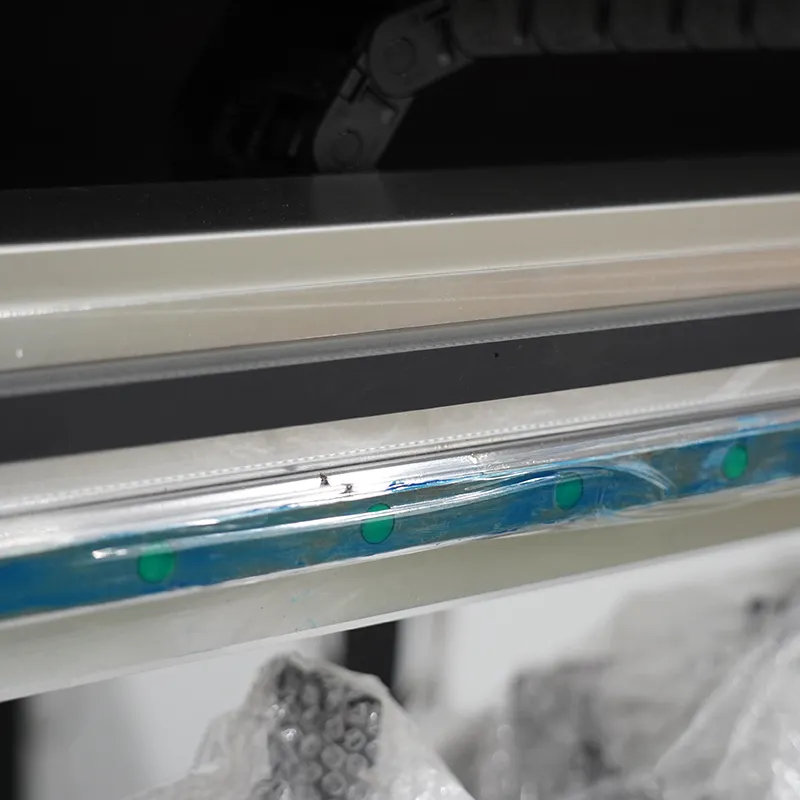
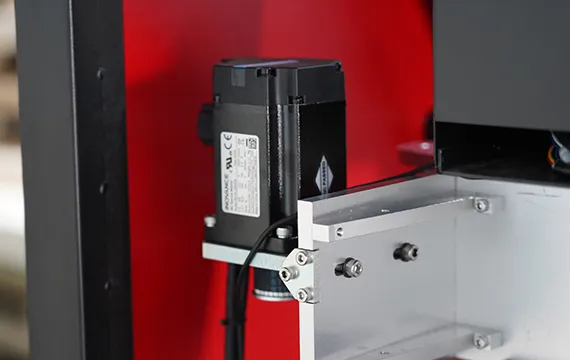
Ningbo Colorido sock printers use a servo motor to drive the belt system. Compared to the previous synchronous-belt design, this solution delivers greater stability and a longer service life.
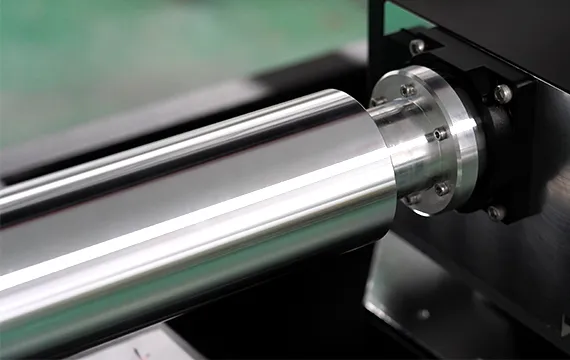
The electroplated aluminum alloy roller allows socks to slide off more smoothly. Compared to carbon-fiber rollers, this roller exhibits less vibration during printing.
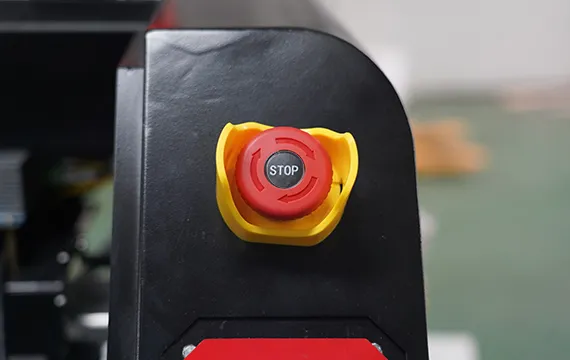
The sock printer is equipped with emergency stop buttons on both sides, and the print carriage features a collision-protection sensor.
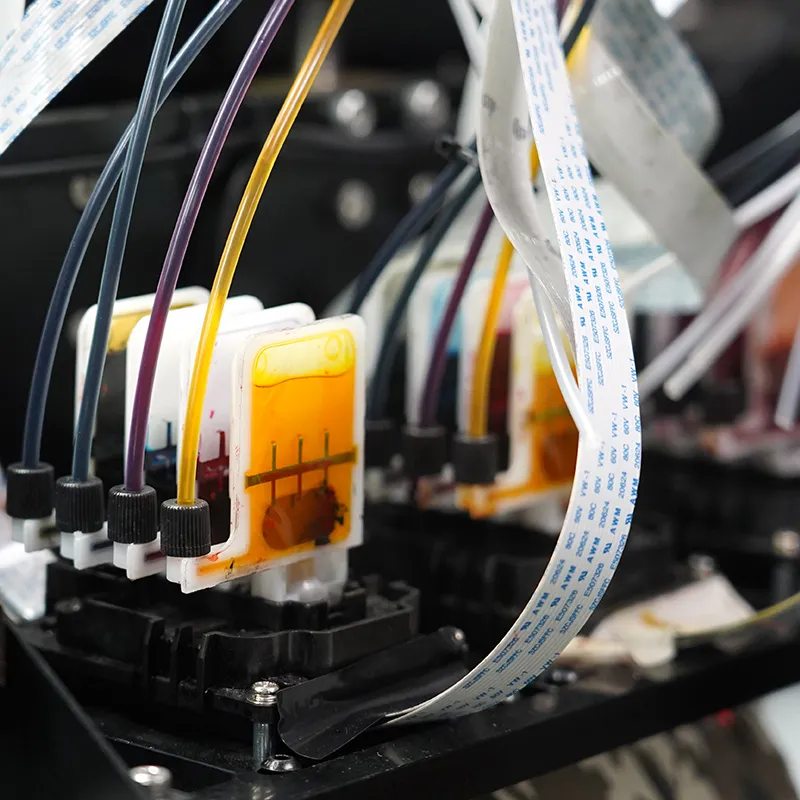
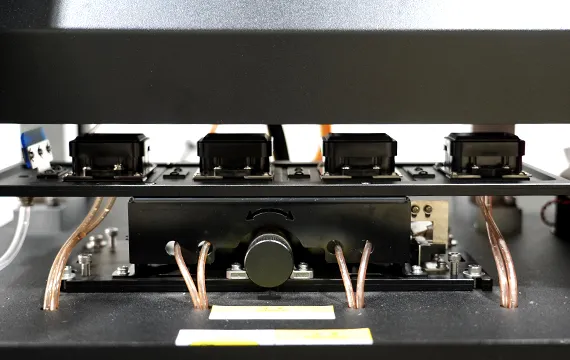
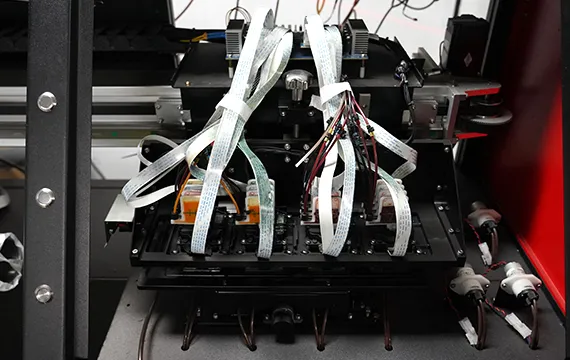
The twin-roller sock printer's carriage can hold up to 4 Epson I1600 print heads. You can choose a 2-head or 4-head configuration based on your production needs and budget.
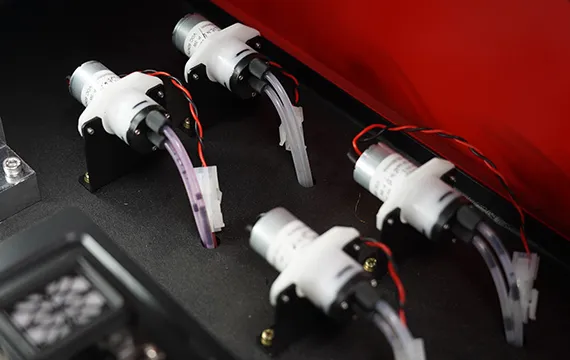
The ink pump is made of new corrosion-resistant engineering plastic and rubber materials, offering excellent resistance to oil, acid, alkali, heat and corrosion.
A quick look at how the twin-station spiral printer loads, rotates and prints on tubular textile in real time.

Socks of all common lengths — including long socks and tights — plus sleeve covers and wrist bands, for factories, brand customization and print-on-demand orders.
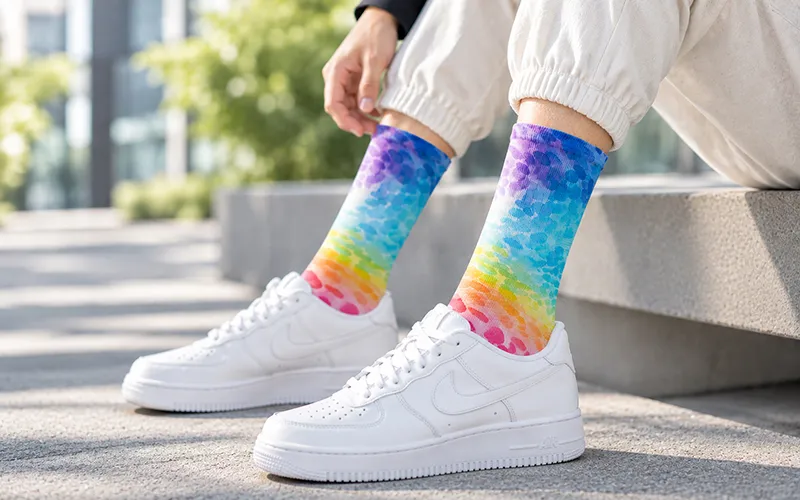
No-show, ankle, crew, sports and long socks — including tights — with full-color 360° artwork for personalized and production orders.
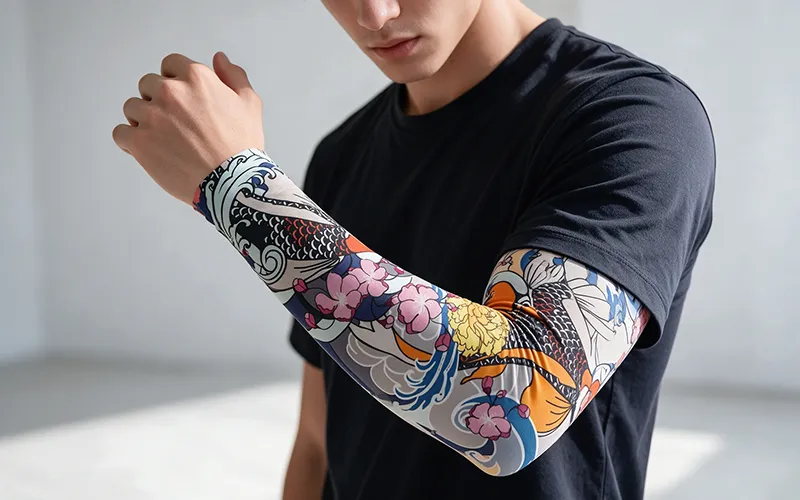
Seamless all-over graphics on sun-protection and cycling sleeve covers using the same twin-roller platform as sock printing.
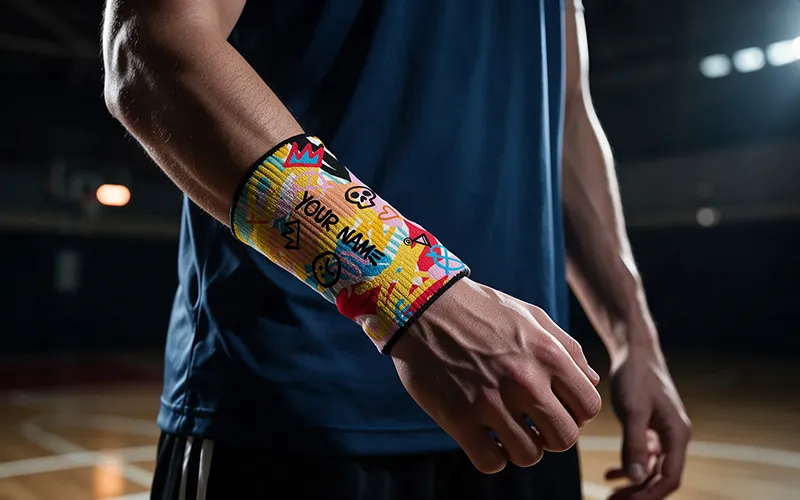
Vivid, durable logos and patterns on sports wrist guards and knitted wristbands for promotional events and brand merchandising.
Common questions about materials, ink, software and pricing — then send your requirements for a configuration recommendation.
It can print on socks made of polyester, cotton, nylon, bamboo, wool and other materials, covering no-show, ankle, crew and sports socks of different types and lengths. With its 600–1050 mm roller it also handles long socks and tights, plus sleeve covers and wrist bands.
Printed socks come out brightly colored, soft to the touch and breathable. Pattern clarity depends on the design draft: the higher the resolution of the artwork, the clearer the printed pattern. Print resolution reaches 720×600 DPI.
It uses the latest version of Neostampa software, which offers good compatibility and a simple operation interface. Most importantly, its built-in tools allow color adjustment and management, making it easy for technicians to compare colors against the original artwork.
No special ink brand is required — simply match the ink type to the sock material: reactive ink for cotton socks and sublimation (disperse) ink for polyester socks.
Yes. The CO60-100PRO can be configured with 2 or 4 Epson I1600 print heads. The quotation includes the selected number of print heads together with the matching ink capping stations and head cables for your ordered configuration.
Prices vary according to the machine's features, number of print heads and chosen model. As an entry-level twin-station solution, the CO60-100PRO requires a lower upfront investment than four-station platforms, while complete printing solutions generally range from $10,000 to $30,000, and up to $50,000.
Yes. For new clients we provide on-site installation and training services. The first 5 days are free of charge, while clients cover the related travel costs (flights, hotel, food, etc.). For any subsequent on-site services beyond the initial installation, an additional service fee of $280 per day applies, plus travel expenses.
Most clients prefer to resolve issues through our online support, which is efficient and prompt. An appointment is required in advance for any on-site service.
No, the printer does not include a computer. A separate computer is required to operate the printer and run the Neostampa RIP software. The printer connects to the computer via an Ethernet port. A standard Windows PC with a stable network connection is sufficient — no high-end specifications are needed.
Depending on the sock material, you may need the following after-treatment equipment:
For polyester socks, a rotary oven is enough. For cotton socks, a steamer, washing machine and dryer are all required.
Digital sock printing offers clear advantages:
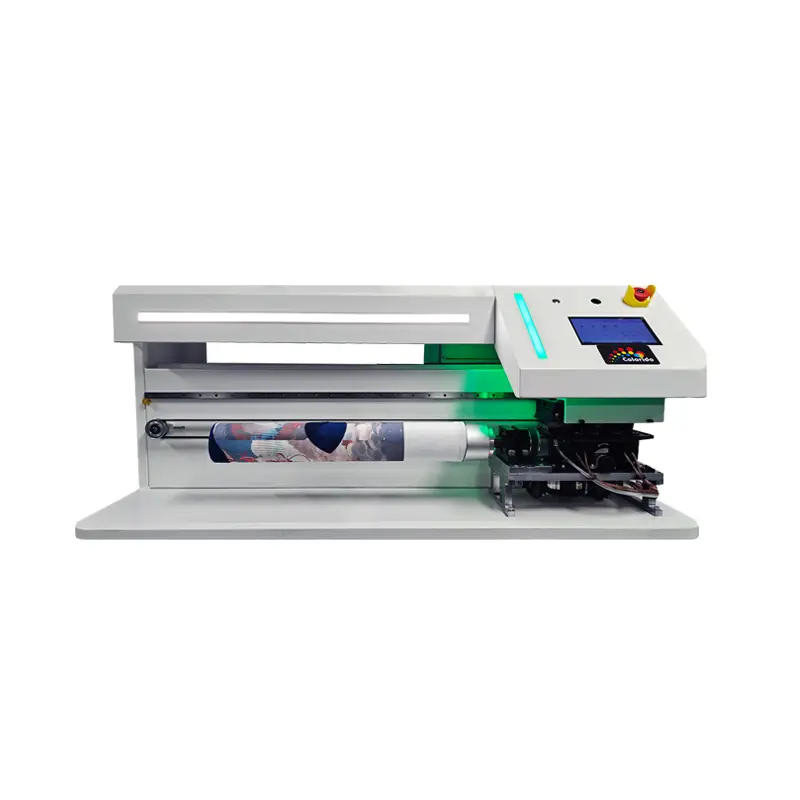
Other Ningbo Colorido socks printers that round out the lineup alongside the CO60-100PRO twin-roller sock printer — alternative models for different production volumes and tubular textile applications.