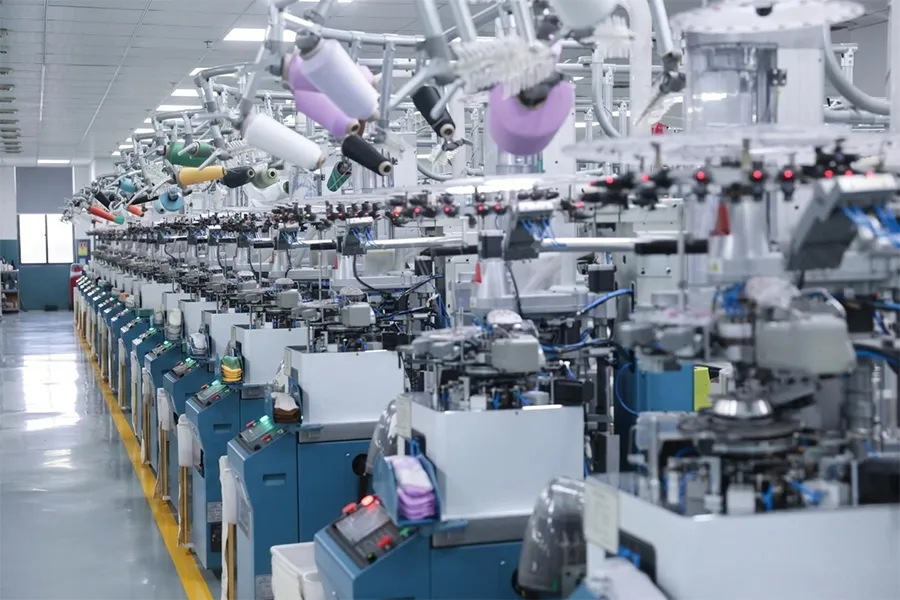
Budgeting for a custom socks machine line is about more than the printer price. Successful businesses plan the complete line and the costs of getting it running. This structured approach helps avoid surprises and makes conversations with suppliers and financiers clearer.
Category 1: Core equipment
- Socks printer with rollers for your sizes. Options range from desktop to four-roller.
- Fixation equipment: polyester oven, cotton steamer or low-temperature oven.
- Cotton finishing: washer, spin dryer, tumble dryer.
- Computer and RIP software.
See the pretreatment and finishing range for fixation and finishing options.
Category 2: Installation and facility
- Shipping and import costs.
- Electrical work and dedicated circuits.
- Steam, water and drainage for cotton.
- Ventilation and climate control.
- Furniture: loading tables, racks, inspection and packing stations.
See socks printer workspace requirements.
Category 3: Training and setup
- Installation and training time.
- Color profile creation for your blanks.
- Template creation for your sizes.
- Test prints and wash tests.
Category 4: Consumables and spare parts
- Initial ink stock.
- Pretreatment chemicals for cotton.
- Cleaning supplies.
- Spare parts kit. See spare parts to keep on hand.
Category 5: Working capital
- Blank sock inventory.
- Packaging.
- Marketing to fill capacity.
- Salaries during ramp-up.
Category 6: Contingency
Set aside a contingency for unexpected costs: utility upgrades, extra rollers, additional training.
Phasing the investment
Many businesses phase investment:
- Phase 1: printer and polyester oven.
- Phase 2: cotton finishing equipment.
- Phase 3: second printer or larger oven.
Phasing reduces initial cost and lets real sales data guide later decisions. See when to add a second socks printer.
Comparing quotes
Make sure quotes include the same items: rollers, software licenses, training, spare parts and shipping terms. Use our buying checklist to align comparisons.
Linking budget to revenue
Combine your budget with expected sales and margins to calculate payback. Our ROI guide provides the method.
An example budget structure
To make budgeting concrete, many buyers build a simple table with three columns: item, estimated cost and notes. For a first polyester line, the rows might be:
- Socks printer with standard rollers.
- Additional rollers for extra sizes.
- Benchtop or chain oven.
- RIP computer and calibrated monitor.
- Shipping, import duties and local delivery.
- Electrical installation.
- Climate control for the print area.
- Starter ink stock and cleaning supplies.
- Spare parts kit.
- Initial blank inventory and packaging.
- Marketing for the launch period.
- Contingency.
For a cotton line, add pretreatment chemicals and equipment, a steamer or low-temperature oven, washer, spin dryer, tumble dryer, water and drainage work, and possibly a steam supply.
Filling in this table with real quotes forces every cost into the open. It also makes it easier to compare suppliers, because you can see which items each quote includes.
Cash flow during ramp-up
Expect a few weeks between installation and steady sales. During that period you pay salaries, rent and marketing while learning the process. Keeping enough working capital for this ramp-up period is as important as financing the equipment itself.
Phasing the investment
Rather than buying everything at once, many businesses phase their budget:
- Phase one: socks printer, polyester fixation, a starter stock of inks, blanks and spare parts, plus training.
- Phase two: cotton finishing equipment once demand for cotton is proven.
- Phase three: extra printing capacity when orders consistently exceed output.
Phasing reduces risk and lets you learn before committing more funds. It also means early revenue helps pay for later phases.
Hidden costs to include
- Electrical work and ventilation.
- Shipping, import duties and installation.
- Operator time during training and ramp-up.
- Test blanks and samples.
- Software, computers and storage.
- Ongoing maintenance and consumables.
Financing questions
If you finance equipment, compare total cost over the term, not just monthly payments. Align payments with expected cash flow, including seasonal peaks and quiet months.
Getting accurate quotes
Share your expected volumes, fibers and space with suppliers and ask for complete quotes covering everything needed to produce finished socks. Compare quotes line by line. Use our compare page, the products overview and socks printer ROI.
Reviewing after six months
Compare actual costs and output with your plan. Adjust the next phase based on real data rather than the original forecast.
Planning for spare capacity
Avoid budgeting so tightly that any breakdown stops production. A modest reserve for spare parts and urgent repairs protects delivery promises, especially in busy seasons.
Keeping this reserve separate from the main budget makes it easier to protect when other costs rise.
Frequently asked questions
What is the biggest hidden cost?
Often utilities and finishing equipment, especially for cotton.
Should I buy the largest machine I can afford?
Usually not; buy for realistic two-year demand and keep cash for operations.
Can I lease equipment?
Financing options vary by region; discuss with suppliers and local financiers.
Conclusion
Budget a custom socks machine line across equipment, facility, training, consumables, working capital and contingency, and consider phasing. Clear budgets lead to better decisions. Explore our products or contact us for a complete line quotation.
Leave A Comment