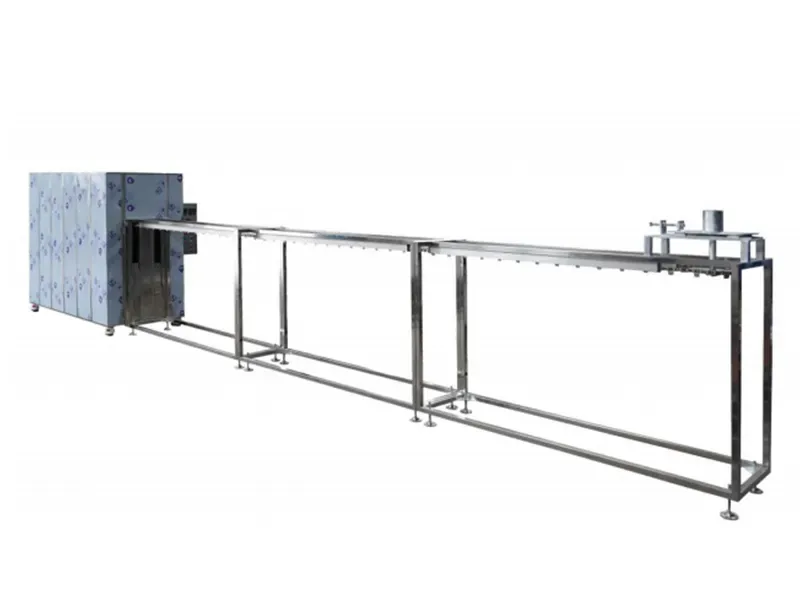
A digital socks printer produces the design, but it doesn’t produce a finished, sellable sock on its own. Color has to be fixed, and for many fibers the socks have to be steamed, washed and dried. Buyers who plan only for the sock printer often discover a missing step after installation.
This guide walks through the equipment in a complete digital sock printing line, explains which steps each fiber needs, and shows how to size the line so no step becomes a bottleneck.
The Line at a Glance
| Step | Polyester socks | Cotton, nylon, wool socks |
|---|---|---|
| Pretreatment | Usually not needed | Usually needed |
| Printing | Sock printer with disperse ink | Sock printer with reactive or acid ink |
| Color fixing | Heat setting in a sock oven | Steaming |
| Washing | Usually not needed | Needed to remove unfixed ink and pretreatment |
| Drying | — | Spin drying and drying |
Always follow your ink and equipment supplier’s process for exact settings. For more detail, see sock pretreatment explained and post-print finishing for printed socks.
1. The Sock Printer
The sock printer is the heart of the line. Colorido’s lineup covers different scales. Per our official sock printer specifications, reference output is:
- CO80-600DK desktop sock printer: 20–30 pairs/hour
- CO70-220PRO single-roller multifunction sock printer: 20–30 pairs/hour
- CO60-100PRO twin-roller sock printer: 40–65 pairs/hour
- CO80-210PRO four-roller sock printer: 50–120 pairs/hour
Reference output varies with print mode, artwork, material, workflow and configuration.
2. The Sock Oven (Polyester)
Polyester socks printed with disperse ink are heat-set so the dye bonds with the fiber. This is done in a sock oven. Colorido offers options for different volumes, including the COHE-1802 socks oven, the COHE-1801 sock heating oven and the benchtop COHE-150 sock heating oven. Our certificates page lists the CE certificate covering our COHE-1801, COHE-1802 and COHE-1803 heating ovens.
Sock oven tips
- Load socks evenly so heat reaches every pair
- Don’t overcrowd
- Keep settings consistent and recorded for each blank
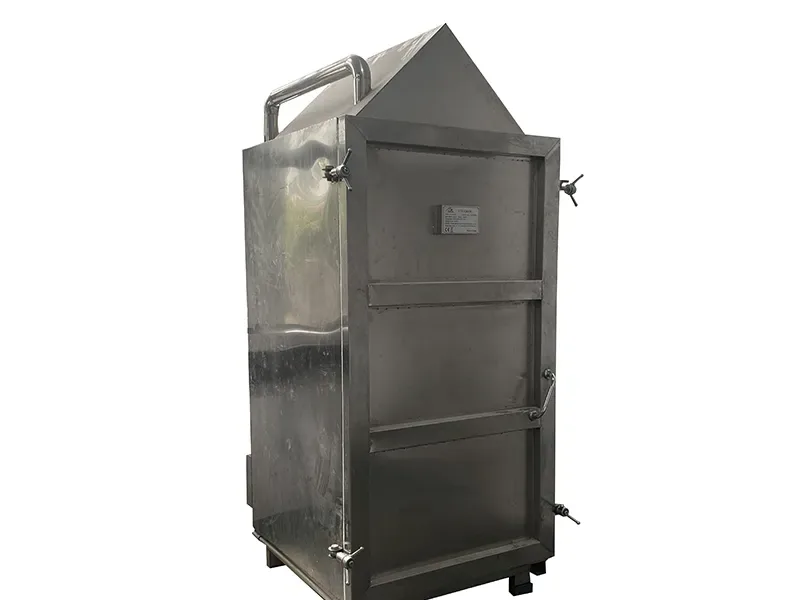
3. The Steamer (Cotton and Other Natural Fibers)
Reactive and acid inks typically need steam to fix the color into cotton, nylon or wool. A dedicated unit such as the COST-1802 cotton sock steamer handles this step.
Steaming tips
- Keep damp printed socks from touching each other to avoid color transfer
- Follow consistent timing
- Make sure steam reaches every sock
4. Washing
After steaming, socks are washed to remove unfixed ink and pretreatment. This restores softness and improves colorfastness. An industrial unit such as the CO-XPG30 sock washing machine suits batch work.
5. Spin Drying and Drying
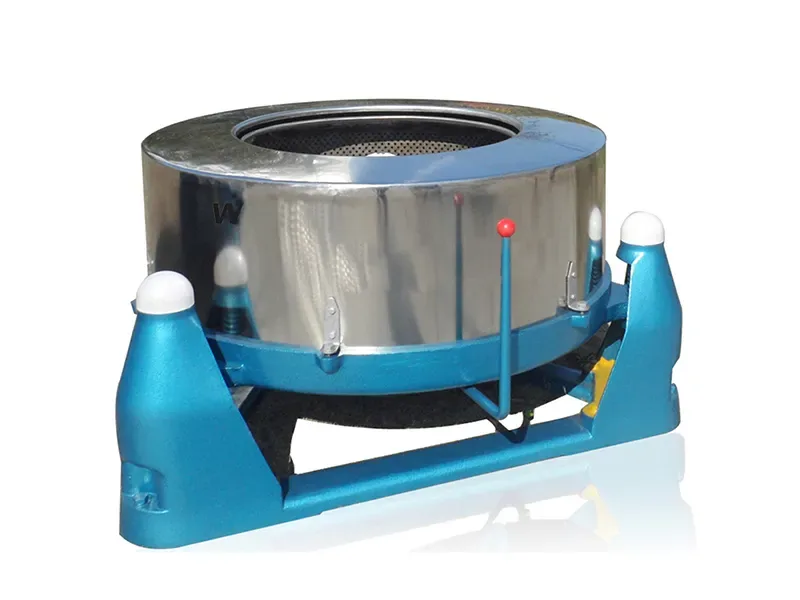
Washed socks are dewatered, for example in the CO753-600 sock spin dryer, and then fully dried before packing. Socks must be completely dry to avoid marks or odors.
Sizing the Line: Avoid Bottlenecks
The slowest step sets your real output. To balance the line:
- Estimate the sock printer’s realistic output with your artwork and utilization.
- Check that the oven or steamer can process that volume in the same shift.
- For cotton, make sure washing and drying keep pace.
- Leave space for staging between steps.
A four-roller sock printer can produce more than a small oven can process. A small studio with a desktop sock printer may only need a benchtop oven.
Starting Simple
Many businesses start with polyester only: sock printer plus sock oven. That keeps space, chemicals and labor lower. Cotton can be added later with a steamer, washer and dryer. Our pretreatment and finishing equipment page shows the full range.
Space and Environment
- Separate wet areas (steaming, washing) from printing
- Provide ventilation around ovens and steamers
- Keep the sock printer in a stable, clean environment
- Plan storage for blanks, work in progress and finished goods
Maintenance Across the Line
- Sock printer: daily printhead care, roller and wiper cleaning
- Oven: keep it clean and check heating consistency
- Steamer and washer: follow manufacturer cleaning schedules
- Spares: keep common wear parts on hand. See our spare parts page.
FAQ
Do I need a sock oven for every digital socks printer?
For polyester socks printed with disperse ink, yes. Heat setting fixes the color.
Can I print cotton socks with only an oven?
Cotton printed with reactive ink typically needs steaming and washing as well.
What’s the smallest complete line?
A desktop sock printer with a benchtop sock oven for polyester socks is a compact starting point.
How do I match oven capacity to the sock printer?
Compare realistic printing output per shift with the oven’s processing capacity, and size for the slower of the two.
Plan the Whole Line
A digital socks printer delivers its full value when the finishing steps keep up. Map your fibers and volume, then build a balanced line. Explore the sock printer lineup and see the finished results on our custom printed socks page.
Leave A Comment