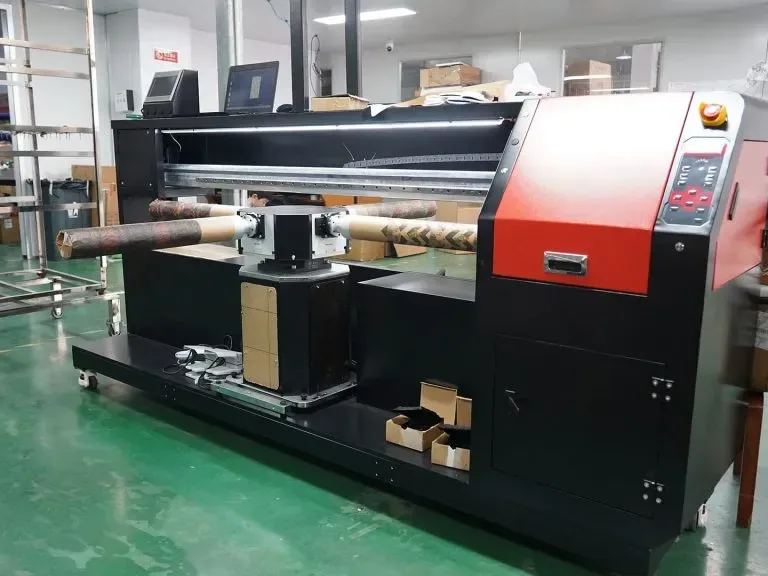
Buying a sock printer is a production investment, and the right question isn’t only “what does it cost?” but “when does it pay back?” A clear sock printer ROI estimate helps you choose the right configuration, avoid overbuying, and explain the decision to partners or lenders.
This guide gives you a step-by-step method and a template. It uses no made-up prices. Plug in your own numbers from real quotes and your own business.
Step 1: List Your One-Time Investment
Include everything needed to produce sellable socks:
- Sock printer (model, printheads, rollers)
- Finishing equipment: a sock oven for polyester, plus steamer, washer and dryer if you print cotton or other natural fibers
- Software and computer
- Shipping, import duties and installation
- Training and initial spare parts
- Site preparation (power, ventilation, workspace)
Total = Investment (I)
Step 2: Calculate Your Cost per Pair
Add the variable costs for one finished pair:
- Sock blank
- Ink
- Pretreatment and finishing chemicals (natural fibers)
- Energy for printing and finishing
- Labor (loading, printing, finishing, inspection, packing) per pair
- Packaging
- Wear parts and maintenance, averaged per pair
Total = Cost per pair (C)
Step 3: Estimate Realistic Output
Start from the manufacturer’s reference output, then adjust for your reality. Per our official sock printer specifications, reference output is:
| Sock printer | Type | Reference output |
|---|---|---|
| CO80-600DK | Desktop | 20–30 pairs/hour |
| CO70-220PRO | Single-roller multifunction | 20–30 pairs/hour |
| CO60-100PRO | Twin-roller | 40–65 pairs/hour |
| CO80-210PRO | Four-roller | 50–120 pairs/hour |
Reference output varies with print mode, artwork, material, workflow and configuration.
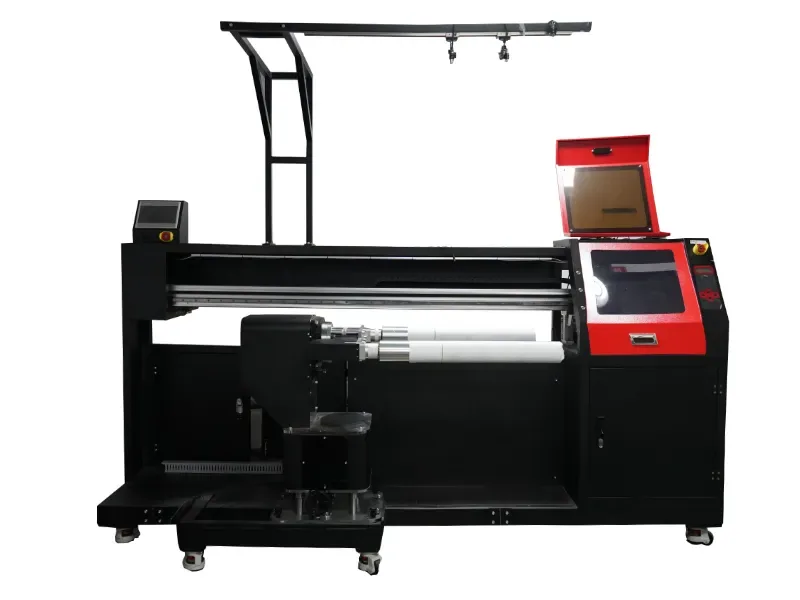
Then apply a utilization factor for time spent on design changes, maintenance, sampling and idle periods. Be conservative. Also check that finishing can keep up with printing, because the slowest step sets your real output.
Monthly output = reference output × productive hours × utilization
Step 4: Estimate Revenue or Savings per Pair
There are two ways to look at value:
- If you currently outsource: savings per pair = outsourced price per pair − your cost per pair (C)
- If you sell finished socks: margin per pair = your selling price − cost per pair (C)
Use the lower of your realistic selling price or outsourced quote, not the best case.
Step 5: Calculate Monthly Contribution and Payback
Monthly contribution = pairs sold per month × margin (or savings) per pair − fixed monthly costs
Fixed monthly costs include rent share, a base salary that doesn’t scale with output, insurance and similar overheads.
Payback period (months) = Investment (I) ÷ Monthly contribution
Note that pairs sold matter, not pairs the machine could print. If demand is lower than capacity, base the estimate on demand.
Worked Template
| Line | Your number |
|---|---|
| Investment (I) | |
| Cost per pair (C) | |
| Selling price or outsourced price per pair | |
| Margin or savings per pair | |
| Expected pairs sold per month | |
| Fixed monthly costs | |
| Monthly contribution | |
| Payback (months) |
Run the template three times (conservative, expected, optimistic) to see the range. For the bigger picture, compare in-house vs outsourced print on demand socks, and if you’re starting small, read is a desktop sock printer right for your studio.
What Moves ROI the Most
- Demand: an idle sock printer doesn’t pay back. Secure demand first.
- Utilization: fewer changeovers and good maintenance raise real output.
- Fiber choice: polyester with heat setting has a shorter workflow than cotton with steaming and washing.
- Right-sizing: a desktop sock printer may pay back faster for a small studio than a four-roller line it can’t fill.
- Extra products: wrist sweatbands, cooling arm sleeves and headwear can use the same line and add revenue.
- B2B orders: team, corporate and promotional orders raise volume.

Common ROI Mistakes
- Using peak output as average output
- Forgetting finishing equipment and labor
- Ignoring maintenance and wear parts
- Assuming every printed pair sells
- Leaving out shipping, duties and installation
Choosing a Configuration From Your ROI
| Situation | Often a sensible start |
|---|---|
| Studio, samples, personalized orders | CO80-600DK desktop sock printer |
| Varied tubular products such as neck gaiters, sleeves and wristbands | CO70-220PRO |
| Growing steady orders | CO60-100PRO |
| High, steady batch demand | CO80-210PRO |
FAQ
Is a sock printer worth it?
It can be when demand is steady and costs are controlled. Run the template with conservative numbers.
What output should I assume?
Start from the reference output, then apply a realistic utilization factor for your workflow.
Should I include finishing equipment in ROI?
Yes. Without heat setting or steaming and washing, you can’t produce sellable socks.
Can a supplier help with the numbers?
Ask for a quote for the complete line and discuss expected output for your products and fibers.
Decide With Numbers You Trust
A careful ROI estimate turns a big purchase into a clear business case. Gather real quotes, fill in the template, and compare configurations on our sock printer page.
Leave A Comment