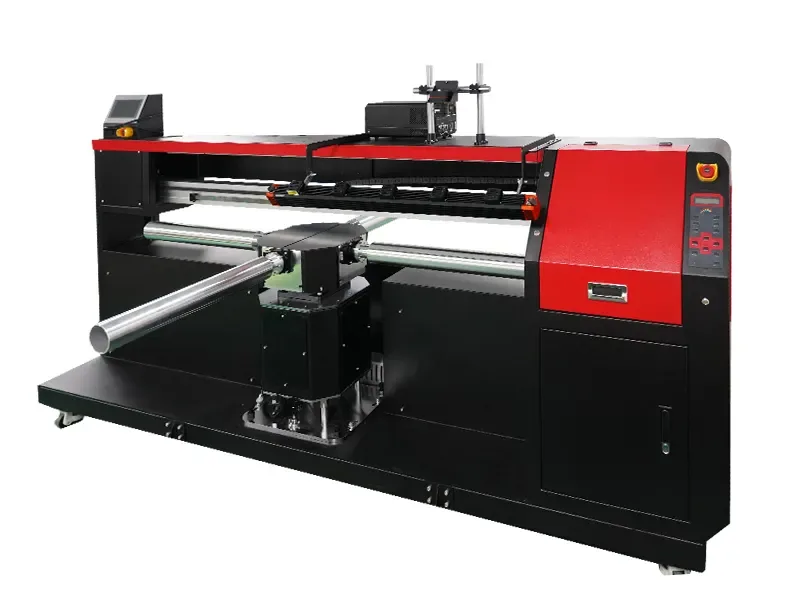
When buyers ask about socks printing machine price, they usually mean the price of the sock printer itself. But the sock printer is only one part of a working production line. The total investment also includes finishing equipment, consumables, installation, training and space.
This guide explains the eight factors that shape what you’ll really spend, so you can compare quotes on the same basis. We don’t publish prices here because they depend on configuration and options. Ask for a written quote for the exact setup you need.
1. Sock Printer Configuration
The roller layout affects both price and how continuously the machine can work:
| Configuration | Colorido model | Reference output |
|---|---|---|
| Desktop sock printer | CO80-600DK | 20–30 pairs/hour |
| Single-roller multifunction sock printer | CO70-220PRO | 20–30 pairs/hour |
| Twin-roller sock printer | CO60-100PRO | 40–65 pairs/hour |
| Four-roller sock printer | CO80-210PRO | 50–120 pairs/hour |
Reference output varies with print mode, artwork, material, workflow and configuration. Full specifications are on our sock printer page.
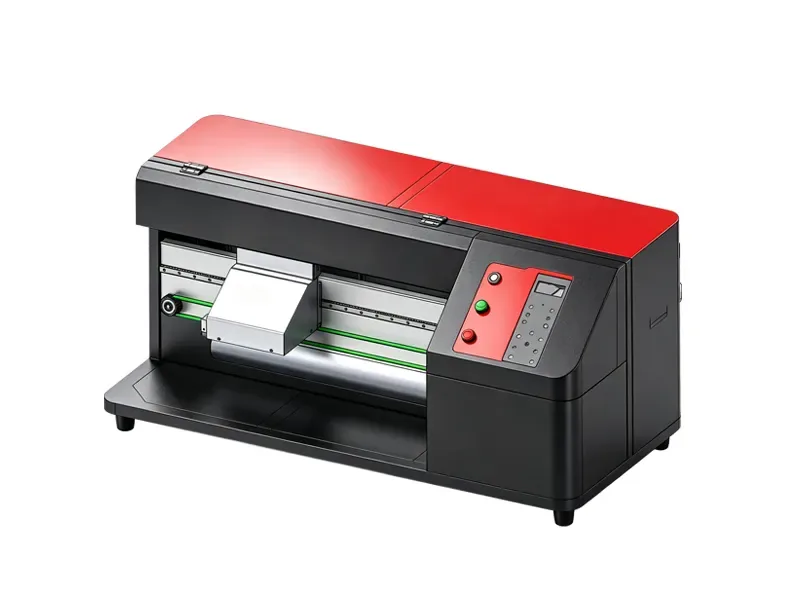
Multi-roller machines let operators load the next sock while another prints, which is why they suit batch production.
2. Printheads
Printhead type and count affect output and price. Per our official specifications, the CO80-210PRO and CO70-220PRO use 2× Epson I1600 printheads, the CO80-600DK uses an Epson 1600 printhead, and the CO60-100PRO is available with 2–4 Epson I1600 heads. Printheads are also a long-term cost, so factor in care and eventual replacement.
3. Roller Sizes and Product Range
Which products will you print? Socks, wrist sweatbands, cooling arm sleeves and tubular headwear need suitable roller diameters. Per our specifications, roller diameters range from 72–90 mm on the CO80-210PRO to 60–100 mm (customizable) on the CO60-100PRO and 70–220 mm on the CO70-220PRO. Larger garments like yoga wear need a dedicated machine such as the CO220-450MAX yoga-wear machine. Extra rollers and a wider product range add to the setup.
4. Finishing Equipment
Printing is only half the process:
- Polyester socks need heat setting in a sock oven, such as the COHE-1802 socks oven or the benchtop COHE-150 sock heating oven.
- Cotton and other natural fibers typically need pretreatment, steaming, washing and drying, for example a cotton sock steamer, a sock washing machine and a sock spin dryer.
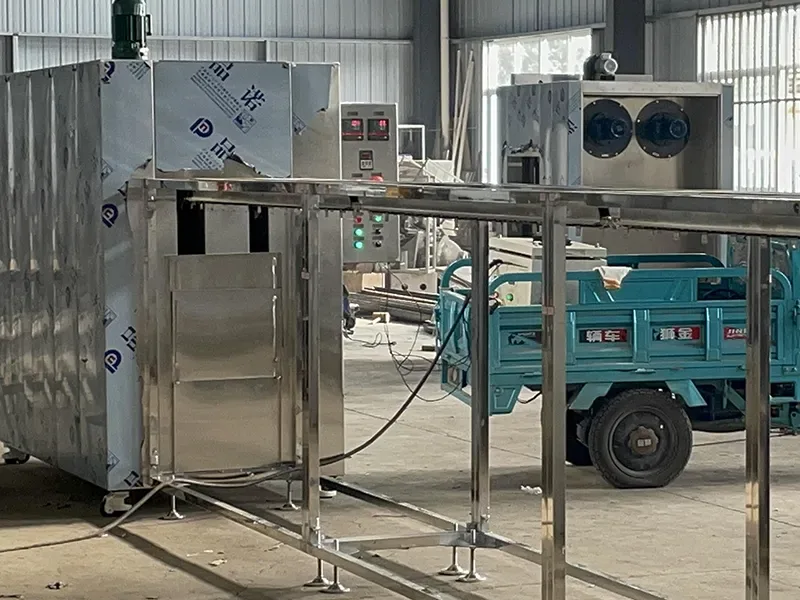
See our pretreatment and finishing equipment overview. Choosing polyester-only at first can keep the initial line simpler.
5. Inks and Consumables
Each fiber needs a matching ink: disperse for polyester, reactive for cotton, acid for nylon and wool. Running more than one fiber means stocking more inks. Add cleaning solution, capping parts, wipers and other wear items. Our spare parts page lists common components.
6. Software and Computer
RIP software and a suitable computer are part of the working setup. Confirm what’s included in the quote.
7. Installation, Training and Support
Ask what installation and training include, how remote support works, and how quickly spare parts can be shipped. Support quality affects uptime, which affects return on investment. Our guide to sock printer configurations and our list of questions to ask before buying a sock printer can help you prepare.
8. Shipping, Import and Site Preparation
Large machines ship in wooden crates. Factor in freight, import duties, local delivery, power supply, and a room with a stable temperature and humidity. Machine footprints differ: per our specifications, the CO80-600DK measures 1250×570×580 mm and the CO80-210PRO 2765×610×1465 mm.
Comparing Quotes Fairly
Ask every supplier to quote the same complete line:
- Sock printer model and printhead count
- Rollers included
- Finishing equipment for your fibers
- Starter inks and consumables
- Software
- Installation, training and support terms
- Shipping terms
Also check compliance documents. Colorido’s certificates page shows CE Certificates of Conformity issued by UTT for the CO80-210PRO and CO60-100PRO sock printers and for our COHE-1801/1802/1803 series heating ovens, along with our national patents.
FAQ
Is the cheapest sock printer the best value?
Not necessarily. Output, reliability, support and the cost of finishing equipment all affect value.
Do I need an oven?
Polyester socks need heat setting, usually in a sock oven. Cotton workflows typically add steaming and washing.
Can one sock printer print several products?
Yes. Colorido’s sock printers also print other tubular items such as wrist sweatbands and cooling arm sleeves, with suitable rollers.
How do I get an accurate price?
Share your products, fibers, expected volume and space, and request a quote for the full line.
Plan the Line, Not Just the Machine
The real investment is a complete, working production line. Map your products and fibers first, then compare complete quotes. Start with our sock printer lineup.
Leave A Comment